𝑪𝒐𝒎𝒑𝒊𝒍𝒆𝒅 𝒃𝒚 𝑯𝒐𝒏. 𝑻𝒖𝒈𝒖𝒎𝒆 𝑴𝒖𝒛𝒂𝒇𝒂𝒓𝒖
𝑺𝒆𝒏𝒊𝒐𝒓 𝑵𝒆𝒘𝒔 𝑹𝒆𝒑𝒐𝒓𝒕𝒆𝒓 – 𝑹𝒖𝒃𝒊𝒓𝒊𝒛𝒊
For media coverage: 0702269259
RUBIRIZI DISTRICT — Women entrepreneurs in Rubirizi District have been urged to address barriers affecting business growth, improve household communication and work with their spouses to prevent gender-based violence (GBV) and promote family development.

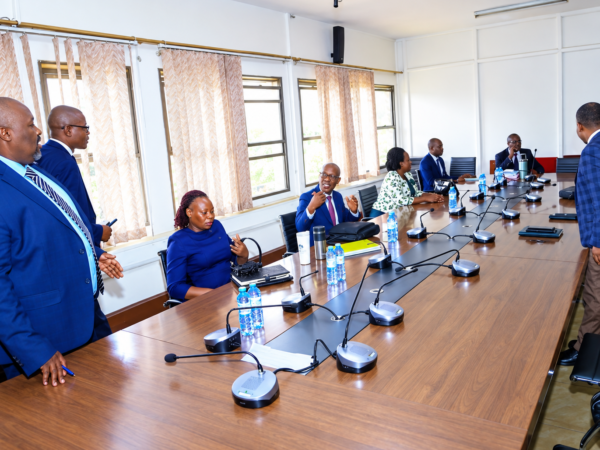
The call was made during a training held yesterday at Rubirizi District Headquarters, organised by the Ministry of Gender, Labour and Social Development in collaboration with CARE Uganda to strengthen women’s economic empowerment, improve household incomes and reduce poverty.
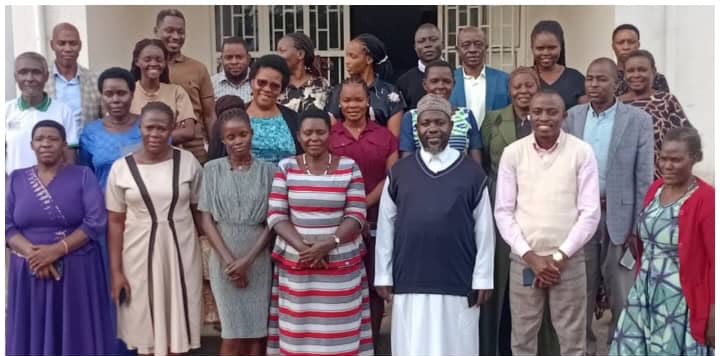
The training brought together government officials, Community-Based Services (CBS) personnel, police, district technical staff, media representatives, women’s groups, commercial officers, local and religious leaders, and women entrepreneurs under the Uganda Women Entrepreneurs Platform (UWEPU).
Madam Felly Tumwesigye, a gender-based violence specialist and trainer from St. Francis Family Helper Programme, which partners with CARE Uganda, represented the Ministry of Gender, Labour and Social Development. She said the initiative was intended to bring together key stakeholders to identify challenges affecting women entrepreneurs and develop practical solutions to support business growth.
Tumwesigye noted that inadequate business knowledge and harmful social norms continue to undermine women’s economic progress and family development. She encouraged women entrepreneurs in Rubirizi to join business platforms where they can access networking opportunities, mentorship, financing and markets to expand their enterprises.
She explained that the Women’s Economic Empowerment (WEE) Coordination Mechanism seeks to strengthen collaboration between public and private sector actors at the district level. Through such partnerships, women operating different businesses can share experiences, develop joint ventures and access new markets.
Tumwesigye added that the initiative would help connect women entrepreneurs to affordable financing opportunities, including loans through the Generating Growth Opportunities and Productivity for Women Enterprises (GROW) Project, reportedly offered at an interest rate of 10 per cent. She said improving access to finance, markets and mentorship would help women overcome business challenges and strengthen their livelihoods.
Sheikh Iddi Kiseka, the leader of Dawa in Greater Bushenyi, commended CARE International and the government for empowering women in Rubirizi, saying the initiative could promote positive changes in family attitudes and improve household incomes. He urged men to support their wives’ business ventures, noting that some families continue to experience conflict because of the belief that business activities should be dominated by men.
Kiseka called on married couples to cooperate in managing family affairs and supporting income-generating activities, saying joint planning could help reduce poverty, hunger and domestic conflicts. He also appealed to the government to increase start-up capital opportunities for women seeking to establish or expand their businesses.
Meanwhile, Mr Collins Tuhairwe, a CARE Uganda facilitator under the GROW Project responsible for the Ankole and Kigezi regions, said the training aimed to educate women on the causes of domestic violence and practical ways of preventing it. He identified financial disagreements, poor communication, poverty and harmful cultural practices that restrict women’s ownership of property or control over income as some of the factors contributing to domestic violence.
Tuhairwe observed that the establishment of businesses and the acquisition of income by women can sometimes trigger disagreements within households, particularly where couples do not communicate openly about money. He encouraged women to work with their husbands in planning and managing family resources, adding that involving men in women’s economic activities could help prevent gender-based violence and strengthen family relationships.
He further emphasised the importance of strengthening gender-based violence referral pathways at the district level to ensure that survivors can access appropriate support and services. The training also encouraged couples to improve communication, plan together and promote shared responsibility for family development.
Hon. Kyokunda Kelemensia, the Rubirizi District Women Entrepreneurs Chairperson, said domestic violence had contributed to family breakdowns, persistent conflicts, loss of lives and the collapse of some women’s businesses.
Kelemensia thanked CARE Uganda for equipping women with knowledge and skills to prevent domestic violence and improve their livelihoods. She said the training had come at an important time, as financial disagreements involving business loans were creating tensions between some husbands and wives.
She explained that conflicts can arise when a woman secures a loan without informing her husband or when a husband attempts to take control of money borrowed by his wife for business purposes. According to her, such disagreements can disrupt business operations, undermine women’s financial independence and destabilise families.
Kelemensia urged participants to share the knowledge gained with other women in their communities, particularly on gender-based violence prevention and sound business management. She identified domestic violence, inadequate capital, high interest rates, poor bookkeeping, limited markets for products such as coffee, matooke and crafts, harmful cultural norms, and poor communication between couples as major obstacles to women’s business growth.
She called for continued support from government agencies, development partners, community leaders and families to help women entrepreneurs overcome these challenges, access markets and financing, and build sustainable businesses.
The training forms part of broader efforts to strengthen women’s economic participation while promoting peaceful homes, improved household incomes and the prevention of gender-based violence in Rubirizi District.
END