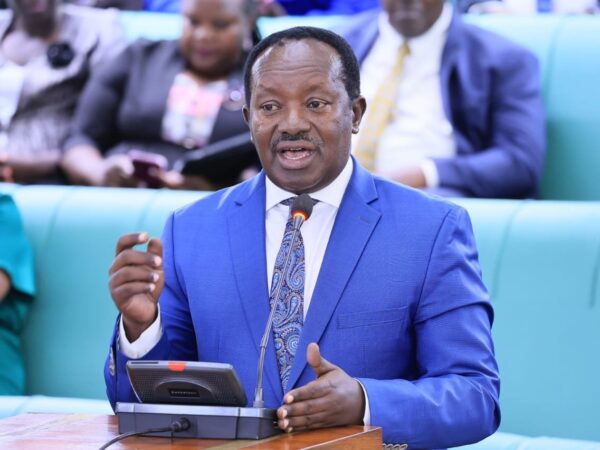
KAMPALA — Budadiri East Member of Parliament Julius Nakiyi has proposed a deferred payment arrangement between the Uganda National Oil Company (UNOC) and international oil supplier Vitol as part of measures to stabilise the Ugandan shilling against the US dollar and ease rising fuel prices.
Speaking during an interview with NBS Television, Nakiyi discussed the impact of taxation on petroleum products and the pressure that fuel import payments exert on Uganda’s foreign exchange market. He called for practical interventions that could reduce the cost burden on motorists, transport operators, businesses and ordinary households.
Nakiyi argued that the demand for dollars to settle fuel import bills contributes to pressure on the local currency, particularly when substantial payments must be made within a short period. He said addressing the timing of these payments could help reduce sudden demand for foreign exchange.
The Budadiri East legislator proposed that UNOC negotiate an agreement with Vitol allowing Uganda to defer payment for imported petroleum products instead of settling the bills immediately. He believes the arrangement could give the country more flexibility in managing its foreign exchange requirements.
According to Nakiyi, spreading payments over an agreed period could reduce the immediate need to purchase large amounts of dollars on the local market. This, he argued, could help moderate short-term pressure on the shilling, although the overall impact would depend on the payment terms, the volume of imports and prevailing foreign exchange conditions.
Nakiyi also pointed to Kenya’s experience as a model Uganda could examine when developing strategies to manage petroleum import payments and foreign exchange demand. He urged policymakers to assess which elements of such arrangements could be adapted to Uganda’s economic circumstances while protecting the country’s financial interests.
The legislator further drew attention to taxation as a major component of the price consumers pay for fuel. He argued that efforts to reduce pump prices should consider the cumulative effect of taxes alongside import costs, exchange-rate movements, transportation expenses and other charges in the petroleum supply chain.
Nakiyi’s proposals come amid continued public concern over fuel prices and the wider cost of living, as increases in transport and production costs affect household budgets and business operations. He called for a coordinated approach that addresses both the pressure on the shilling and the factors contributing to high pump prices.
Nakiyi said measures that ease foreign exchange pressure and carefully review fuel taxation could help improve price stability and support economic activity. His proposed UNOC-Vitol arrangement, together with lessons from Kenya, offers an option for further assessment by government and relevant energy-sector authorities as Uganda searches for sustainable ways to reduce fuel costs for consumers.