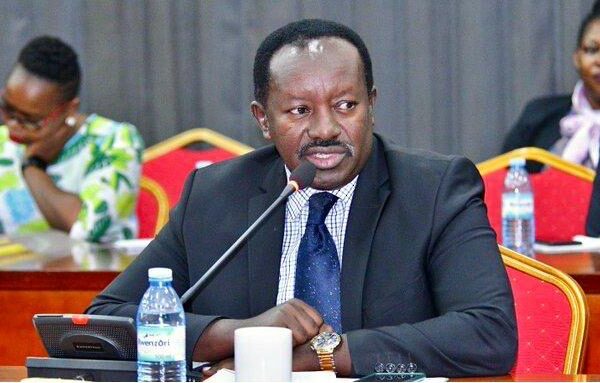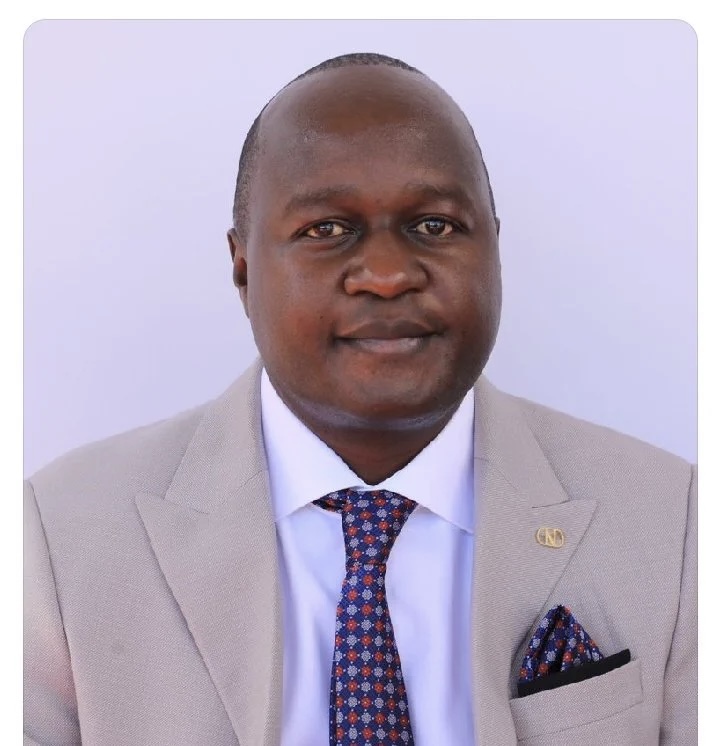
KAMPALA — Nakiyi Julius has opposed the Government of Uganda’s abrupt ban on the use of charcoal, arguing that millions of Ugandans still depend on charcoal and firewood because they cannot afford alternative sources of energy such as gas and electricity.
Nakiyi said the continued reliance on charcoal and firewood should not be viewed as a matter of choice or lifestyle, but rather as a reflection of the economic realities facing many households across the country. He argued that most families use these traditional fuels because they are among the few affordable options available to them.
He noted that any policy restricting charcoal use must take into account the financial circumstances of ordinary citizens, particularly low-income households that struggle to meet their daily needs. According to Nakiyi, imposing restrictions without providing affordable alternatives could place an additional burden on families already facing economic challenges.
The politician further questioned the accessibility of electricity, observing that a significant proportion of Ugandans still lack reliable access to the national power grid. He argued that the country’s electricity coverage remains insufficient to support a sudden transition away from charcoal and firewood for domestic cooking.
Nakiyi also raised concerns about the cost of electricity, saying that even households connected to the power grid often find it too expensive to use for cooking. He observed that some families limit electricity consumption to lighting because using it for other domestic purposes would significantly increase their expenses.
He maintained that access to electricity alone does not guarantee that households can afford to abandon charcoal and firewood. In his view, the Government must address both the availability and affordability of modern energy sources before implementing policies that restrict traditional fuels.
Nakiyi’s position highlights the wider challenge of balancing environmental protection with the economic needs of ordinary Ugandans. Although reducing dependence on charcoal can help address deforestation and other environmental concerns, the transition requires practical measures that enable households to adopt cleaner and affordable energy alternatives.
He therefore called on the Government to exercise caution when introducing policies that directly affect the livelihoods of citizens, urging decision-makers to consider the realities faced by families before implementing sweeping restrictions. He argued that public policies are more likely to succeed when they are informed by the financial capacity and everyday experiences of the people expected to comply with them.
Nakiyi’s remarks add to the debate over Uganda’s energy transition and the future of charcoal use, particularly as the country seeks to protect its environment while expanding access to affordable energy. His central argument is that any restrictions should be accompanied by realistic alternatives, improved electricity access and affordable cooking solutions to ensure that ordinary Ugandans are not left struggling to meet their basic household needs.