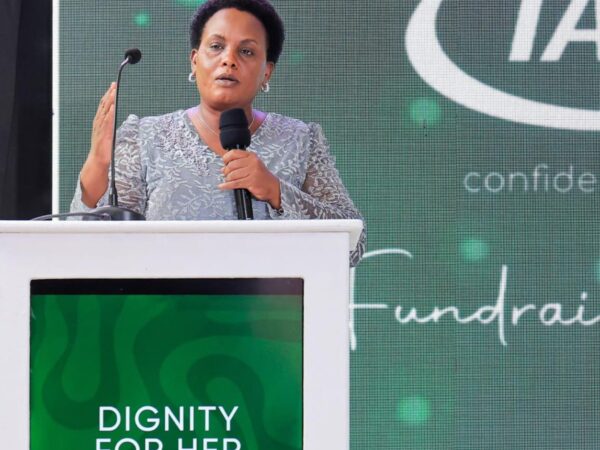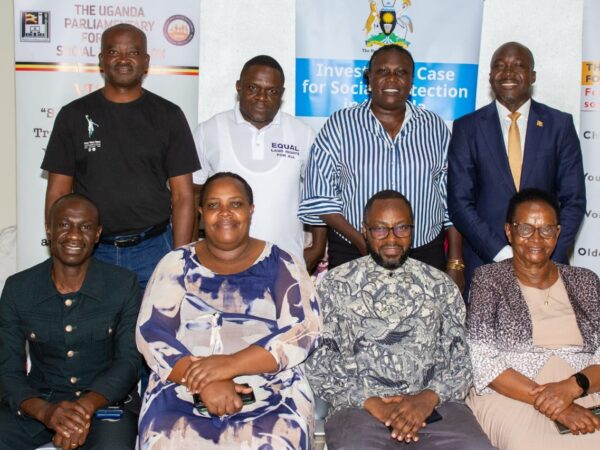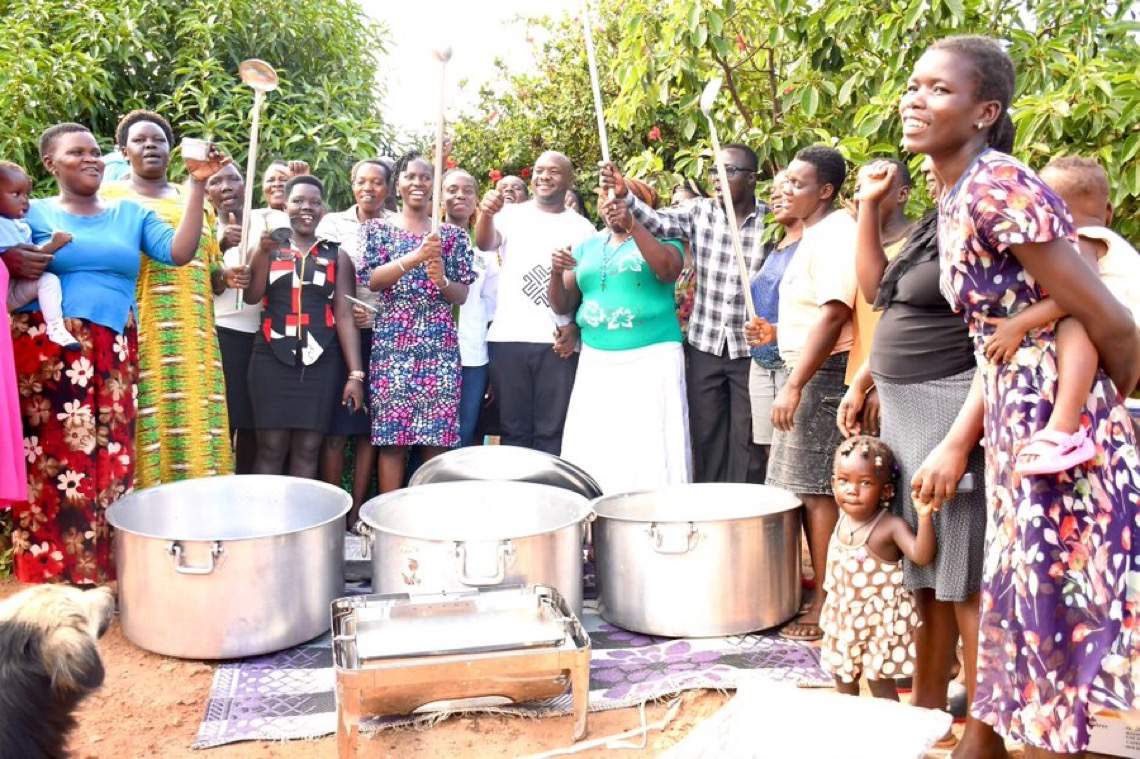
LIRA — Minister of State for Gender, Labour and Social Development in charge of Youth and Children Affairs, Dr. Lakisa Mercy Faith, has called for stronger accountability and measurable results in the implementation of the government’s Jua Kali Programme, emphasising the need to transform Uganda’s informal sector into a driver of employment and economic growth.
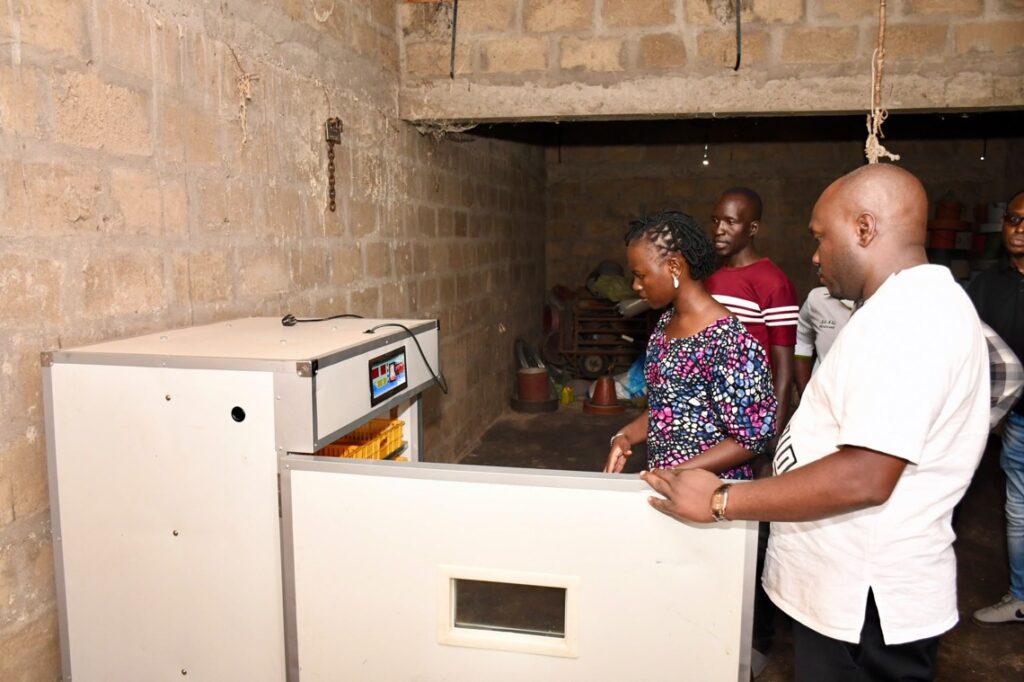
Lakisa made the call while leading a team on an inspection and monitoring assessment of the Jua Kali Programme in Lira, where the team examined implementation progress, beneficiary performance and the impact of government support on artisans and small-scale entrepreneurs.
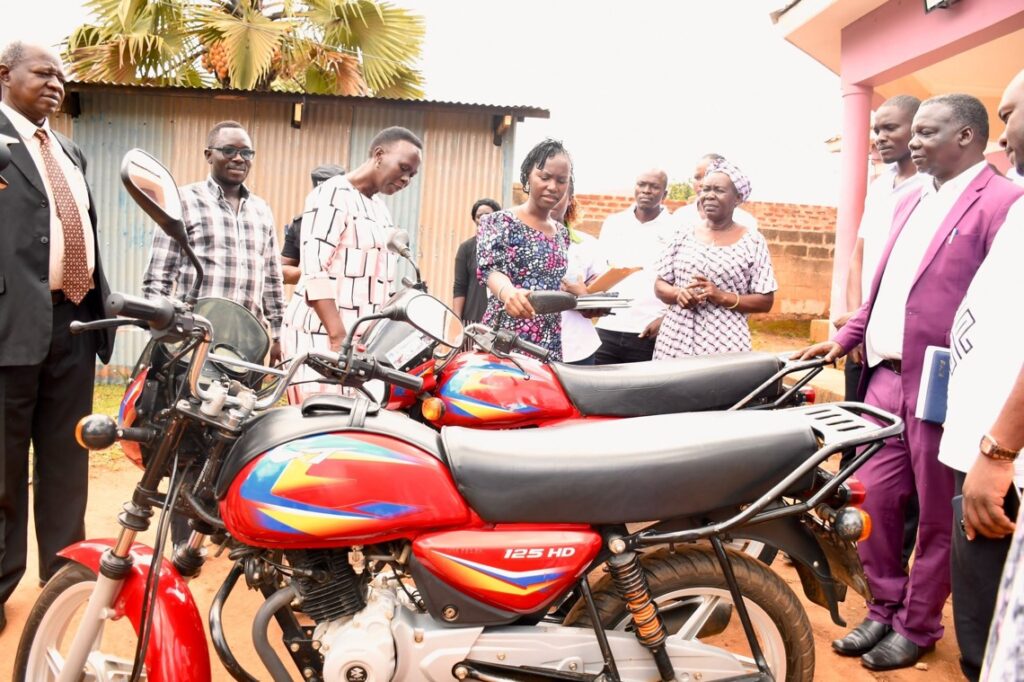
The programme, implemented by the Ministry of Gender, Labour and Social Development, seeks to equip artisans with practical skills, tools and equipment to strengthen their enterprises, improve productivity and support the formalisation of businesses across the country.
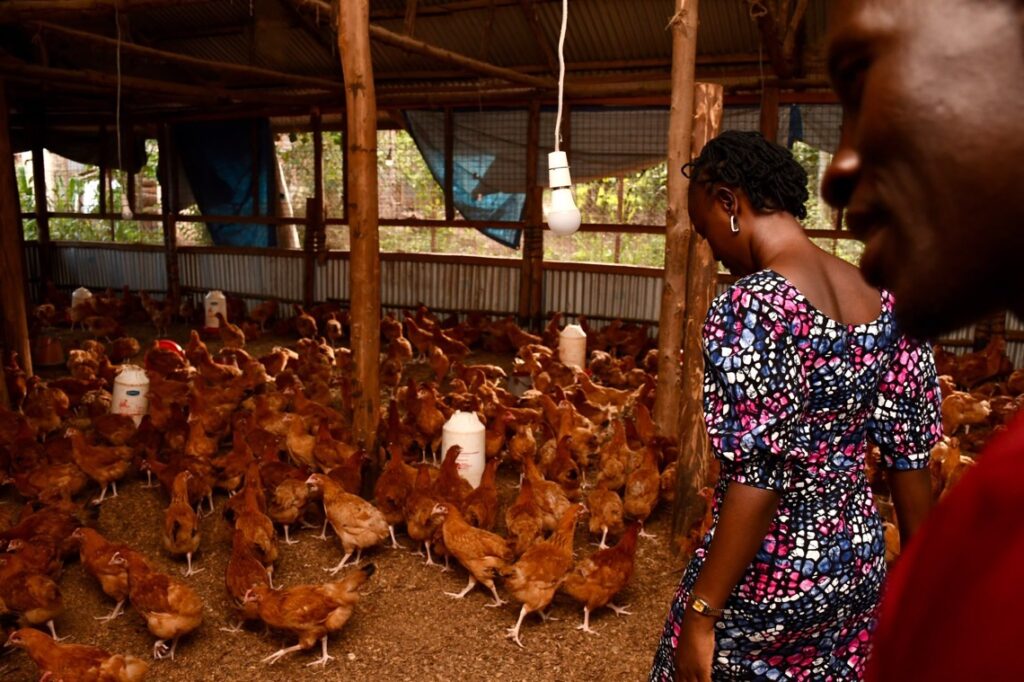
The assessment focused on the utilisation of tools and equipment, operational challenges affecting beneficiaries and the progress made in turning government support into sustainable business opportunities. The team also examined activities in tailoring, carpentry, welding, agro-processing, information and communication technology, transport, cosmetology and catering.
Lakisa highlighted the importance of initiatives such as Jua Kali and SENTE in expanding economic opportunities, safeguarding livelihoods and creating sustainable jobs. She noted that Uganda’s informal sector accounts for approximately 92 per cent of employment, making support for small businesses and artisans an important component of the country’s development agenda.
The minister directed technical teams to strengthen beneficiary verification, enforce accountability and ensure transparent and equitable distribution of programme resources. The directive underscores the need to ensure that the intended beneficiaries receive the support and that the resources are put to productive use.
Lakisa stressed that the programme’s success must go beyond the distribution of tools and equipment to delivering measurable improvements in business performance, household incomes and job creation. She emphasised that beneficiaries should be supported to build sustainable enterprises capable of generating income and creating employment opportunities for others.
The inspection also brought attention to operational challenges that may prevent artisans from fully benefiting from the programme. Addressing these challenges, strengthening monitoring and ensuring proper utilisation of government resources will be essential to improving the programme’s effectiveness and its contribution to local economic development.
Lakisa’s engagement in Lira reinforces the government’s focus on empowering Uganda’s informal workforce as part of broader efforts to promote inclusive growth and socio-economic transformation. The impact of the programme will ultimately be measured by its ability to strengthen businesses, improve livelihoods and create sustainable employment opportunities for Ugandans.