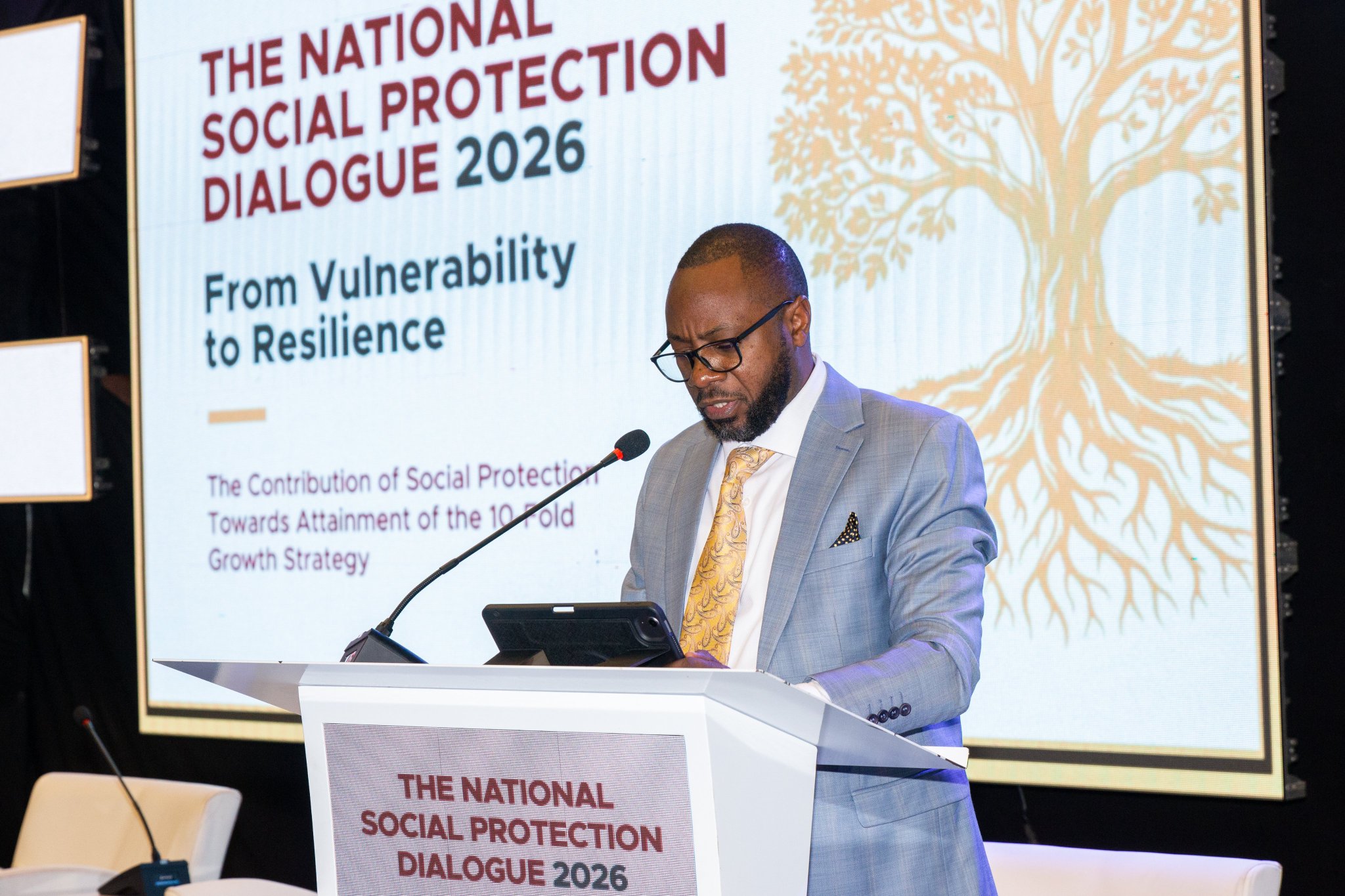
KAMPALA – Rukiga County Member of Parliament Hon. Patrick Kiconco Katabaazi has called on government to lower the eligibility age for the Senior Citizens Grant from 80 to 65 years, arguing that many elderly Ugandans risk missing out on support because they do not live long enough to benefit from the programme. Katabaazi made the appeal while addressing the 2026 Annual National Social Protection Dialogue held in Kampala on Friday, October 30.
Speaking as Chairperson of the Uganda Parliamentary Forum for Social Protection, Katabaazi said social protection should be treated as a critical investment in Uganda’s economic transformation rather than an additional government expenditure. He argued that the country’s ambition of achieving tenfold economic growth must also prioritise protecting vulnerable households from poverty, economic shocks and loss of livelihoods.
He explained that families experiencing failed harvests, illness and other economic difficulties are often forced to sell productive assets, withdraw children from school and exhaust their savings to survive. Using the example of a mother in Rukiga whose harvest fails and who is forced to sell her land, Katabaazi warned that such coping measures can destroy household livelihoods and undermine opportunities for future generations.
One of his major proposals was for government to reconsider the current eligibility age of 80 years for the Senior Citizens Grant and restore it to 65 years, the age at which the programme initially began. He acknowledged that the proposed adjustment would increase government expenditure but said Parliament was prepared to engage the Ministry of Finance to identify the necessary resources to expand coverage.
Katabaazi also called for adequate funding and wider implementation of the National Child Disability Assistance Programme, noting that families caring for children with disabilities face additional financial responsibilities, including therapy, assistive devices and transportation costs. He further advocated for nationwide health insurance, with government financing or subsidising premiums for extremely poor households to prevent medical expenses from pushing families deeper into poverty.
The Rukiga legislator emphasised the need for a coordinated social protection system supported by a functional national social registry that identifies vulnerable households and enables government programmes to reach the intended beneficiaries. He proposed linking the registry to the national identification system, with proper data protection safeguards, to reduce duplication, improve accountability and minimise the exclusion of deserving beneficiaries.
On workers in the informal economy, including farmers, boda boda riders, vendors and artisans, Katabaazi urged government and relevant institutions to expand access to affordable and flexible social insurance and retirement savings arrangements. He also called for stronger disaster preparedness systems capable of responding quickly to floods, landslides and drought, including anticipatory interventions that reach affected households before situations deteriorate.
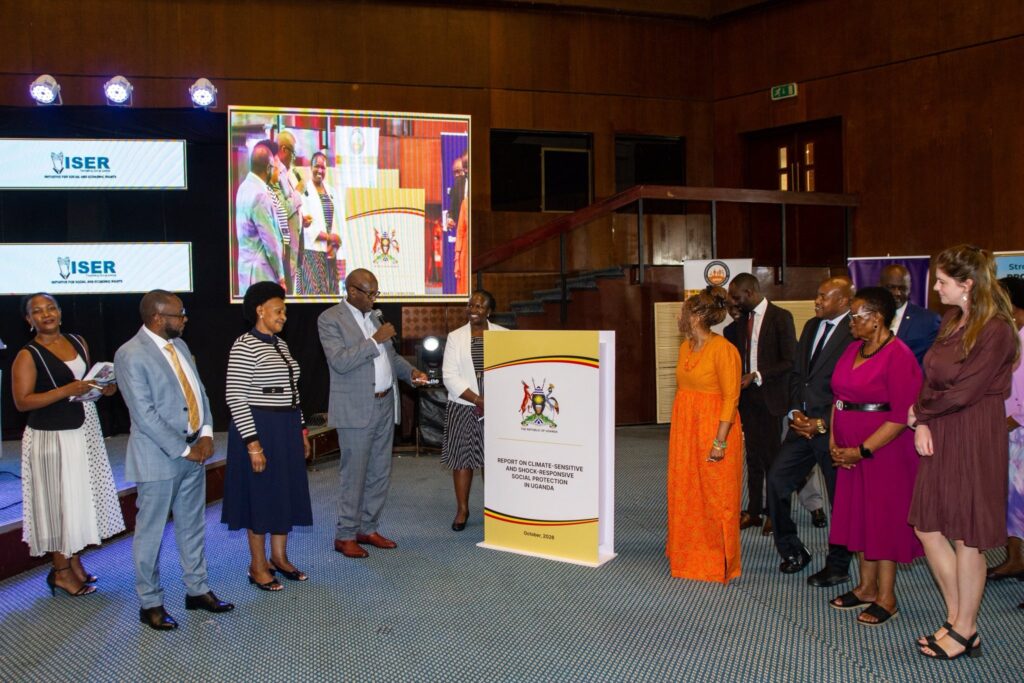
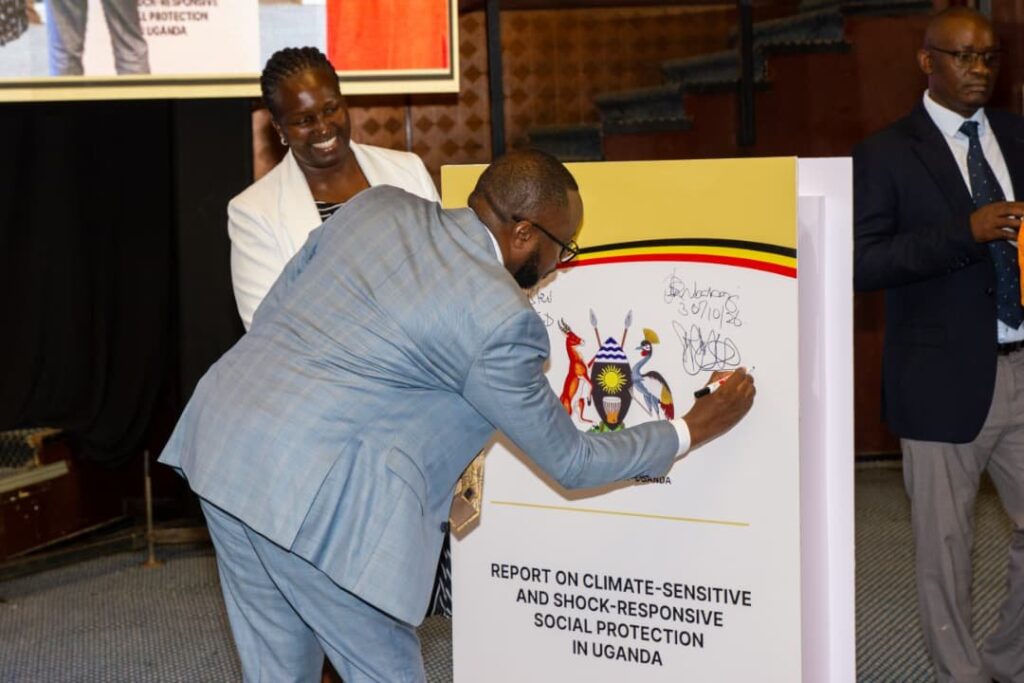
During the dialogue, Katabaazi joined the Chief Guest, Minister of Gender, Labour and Social Development, Lt. Gen. Henry Tumukunde Kakurugu, and Minister of State for the Elderly, Hon. Jacqueline Mbabazi, in launching the Climate Sensitive Shock Responsive Social Protection Report. The fourth annual dialogue was jointly convened by the Uganda Parliamentary Forum for Social Protection and the Ministry of Gender, Labour and Social Development, under the theme, “From Vulnerability to Resilience: The Contribution of Social Protection Towards Attainment of the 10 Fold Growth Strategy.”
Concluding his remarks, Katabaazi reaffirmed Parliament’s commitment to passing supportive legislation, appropriating funds and exercising oversight to strengthen social protection programmes. He urged government, development partners, civil society and other stakeholders to work towards one coordinated system that ensures vulnerable citizens are identified, supported and given opportunities to move out of poverty, stressing that no Ugandan should be left behind.