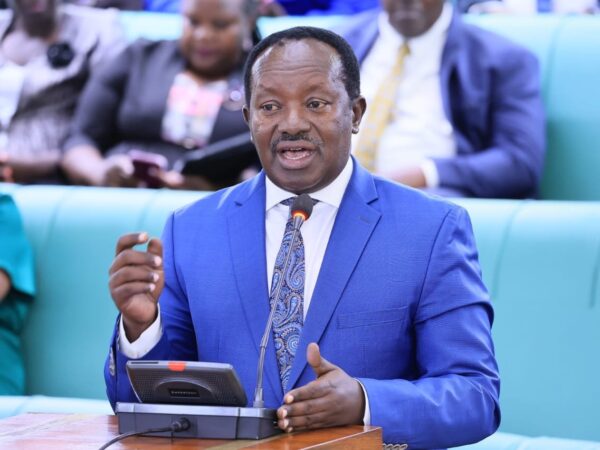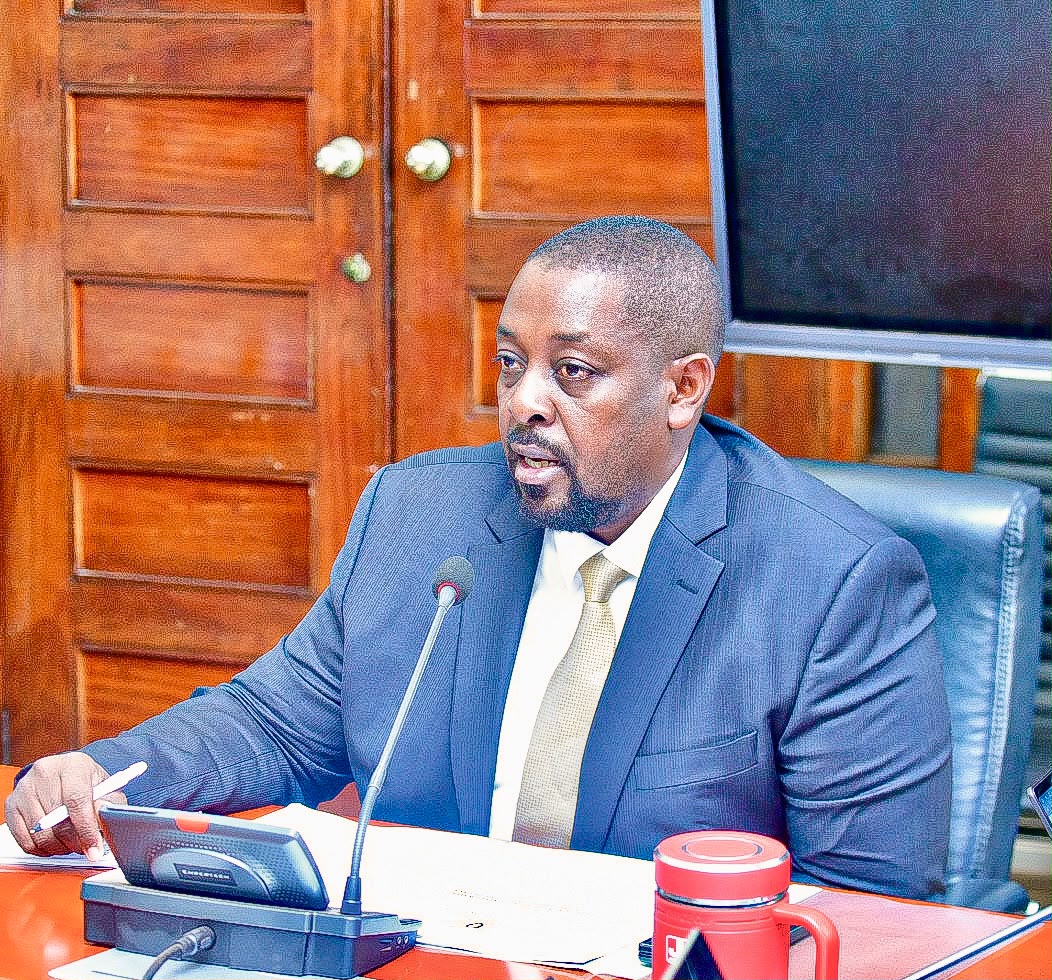
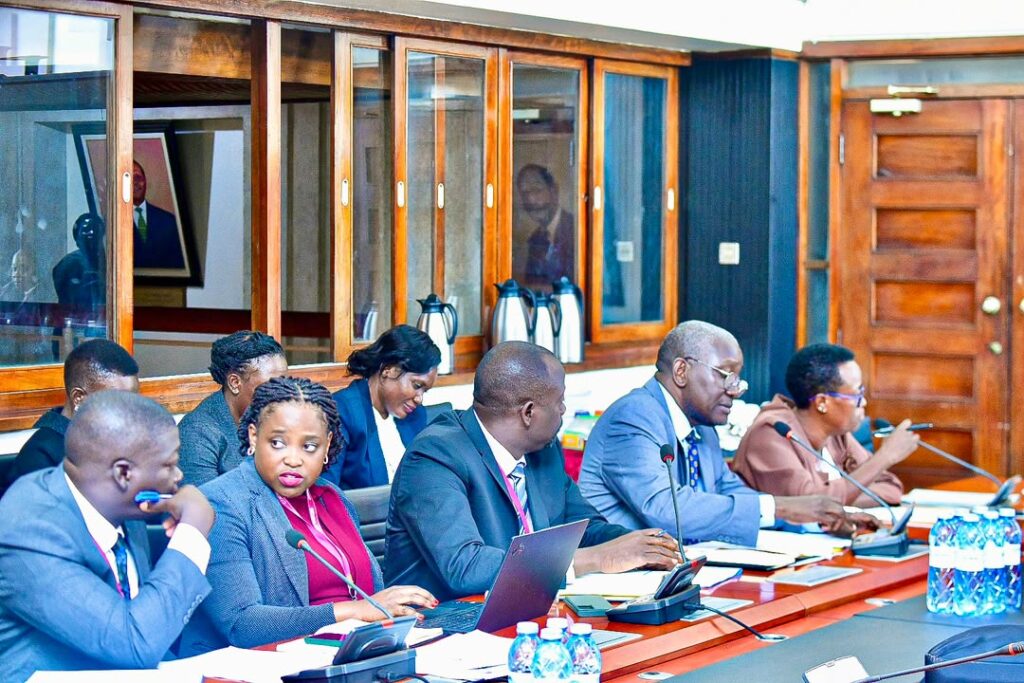
KAMPALA — The Natural Resources Committee of Parliament, chaired by Hon. Dan Kimosho, is examining the implementation of the Solar-Powered Water Supply and Irrigation Project, with a focus on progress against planned targets, achievements and challenges affecting its delivery.
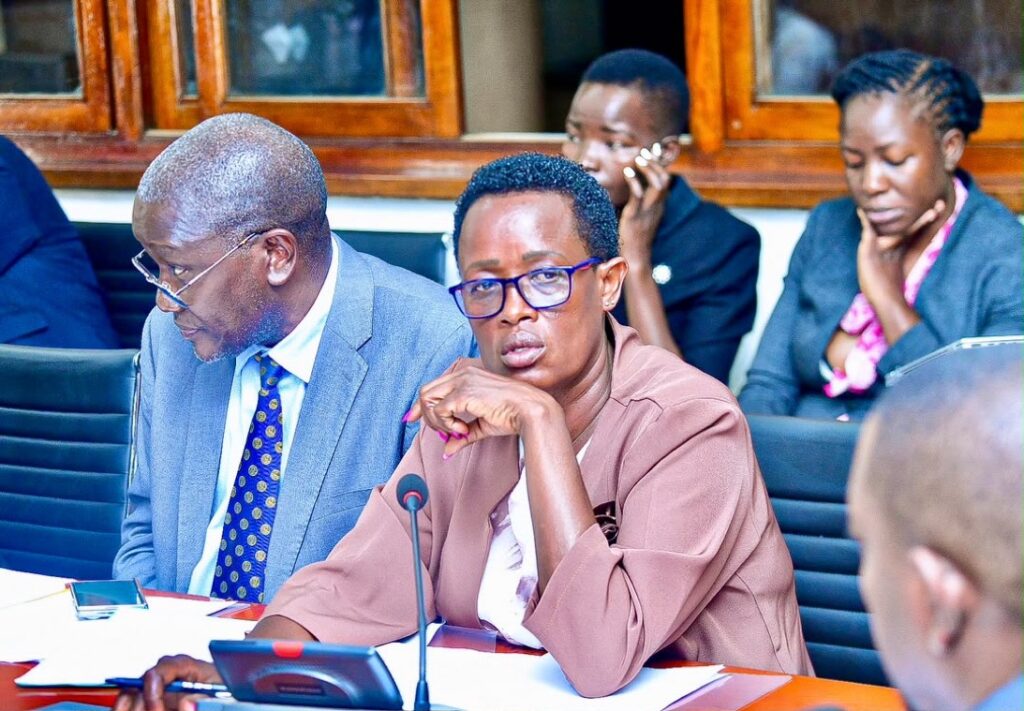
The committee is engaging the State Minister for Water, Hon. Aisha Sekindi, to obtain an update on the project’s implementation and assess whether the planned interventions are delivering the intended benefits to communities that depend on reliable water supplies for domestic use and agricultural production.
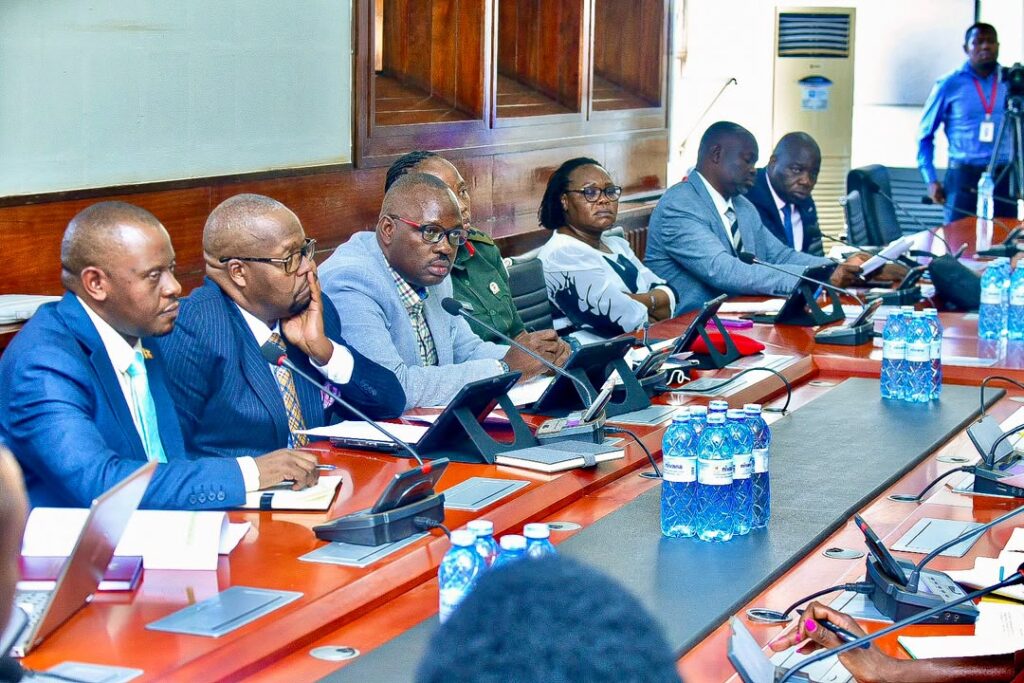
As chairperson, Kimosho is leading the committee’s scrutiny of the project, highlighting the importance of parliamentary oversight in ensuring that government programmes respond to the needs of citizens. The engagement provides an opportunity for legislators to seek clarification on implementation progress, identify gaps and establish the challenges that may be slowing the delivery of planned activities.
The discussions are particularly significant given the role of water in supporting households, livestock and agricultural activities. Reliable water infrastructure can improve living conditions while enabling farmers to plan production more effectively, especially in areas where access to water remains a challenge.
The committee is also examining the potential of solar-powered water systems to strengthen irrigation and reduce farmers’ dependence on rainfall. By harnessing solar energy, the systems can provide an alternative source of power for water supply, potentially improving reliability in areas where conventional electricity is limited or costly.
Kimosho’s leadership of the committee places the meeting within Parliament’s broader responsibility to monitor public projects, question implementation challenges and promote accountability in the use of public resources. Effective oversight is essential in determining whether project objectives are being met and whether interventions are translating into tangible benefits for intended beneficiaries.
The project is further linked to efforts to improve agricultural productivity and strengthen food security. Expanded access to irrigation water can help farmers maintain production during dry periods, support multiple planting seasons where conditions permit and reduce vulnerability to unpredictable rainfall. However, the extent of these benefits depends on effective implementation, maintenance and sustainable management of the water systems.
The committee’s engagement with Sekindi is therefore an important step in assessing the project’s progress and identifying areas requiring attention. The findings and explanations arising from the meeting will help inform parliamentary scrutiny of the programme and its contribution to reliable water access, agricultural development and improved livelihoods.