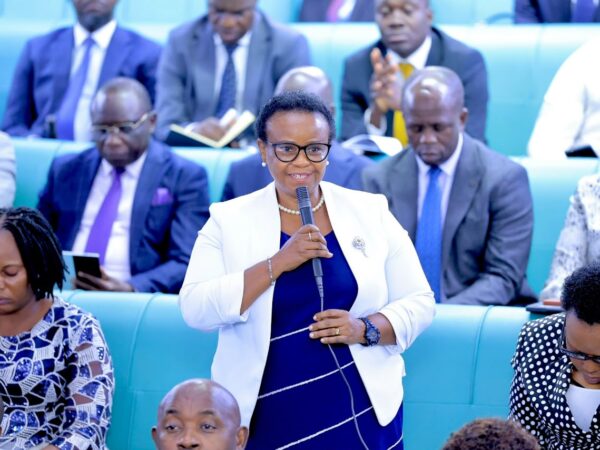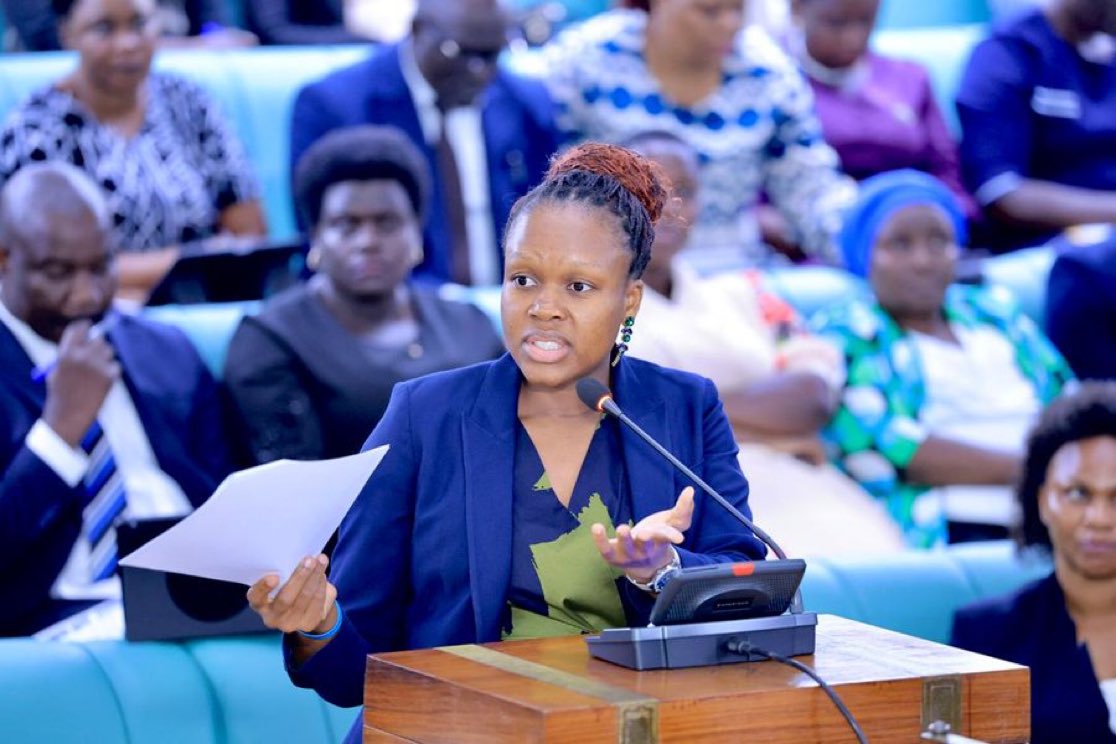
KAMPALA, UGANDA — Soroti District Woman Member of Parliament Anna Adeke has raised concerns over Uganda’s low budget allocation to the health sector, revealing that the country spends only 7.7 per cent of its national budget on health, falling short of the 15 per cent commitment under the Abuja Declaration.
Adeke made the remarks on October 20, 2026, while contributing to parliamentary debate on the health sector performance statement. She called on the government to increase investment in healthcare and address persistent funding gaps that continue to affect the delivery of essential medical services across the country.
The legislator’s concern centres on the gap between Uganda’s current health expenditure and the commitment made by African governments under the Abuja Declaration, which calls for allocating at least 15 per cent of national budgets to improving healthcare. Uganda’s reported allocation of 7.7 per cent remains significantly below that benchmark.
Adeke urged the government to unlock the wage bill for the poorest-performing districts, highlighting the need to strengthen staffing and improve the delivery of healthcare services in areas facing serious operational challenges. Adequate funding for health workers is essential to ensuring that medical facilities can provide reliable services to the communities they serve.
She also called for urgent intervention to equip Health Centre IV operating theatres that remain non-functional because of shortages of electricity, anaesthesia and blood banks. The lack of these essential requirements limits the ability of facilities to conduct surgical procedures and respond effectively to emergencies.
The concerns highlight the challenges facing patients who depend on public health facilities, particularly those in underserved districts. When operating theatres cannot function, patients may be forced to seek treatment elsewhere, potentially increasing transport costs and delaying access to critical medical care.
Adeke’s call for improved funding also draws attention to the importance of ensuring that government health investments translate into functioning facilities, adequate staffing and essential medical supplies. Increasing allocations alone may not be sufficient without effective planning, transparent resource management and proper supervision of service delivery.
Her intervention places renewed focus on the responsibility of government to strengthen the healthcare system and ensure that public hospitals and lower-level health facilities can deliver essential services. Addressing staffing gaps and equipping non-functional theatres would be important steps towards improving access to safe and timely medical treatment.
The debate on the health sector performance statement comes amid continued calls for greater investment in public healthcare. Adeke’s concerns underscore the need for government to examine existing budget priorities, address persistent infrastructure and staffing challenges, and work towards meeting its health financing commitments under the Abuja Declaration.