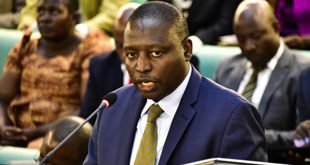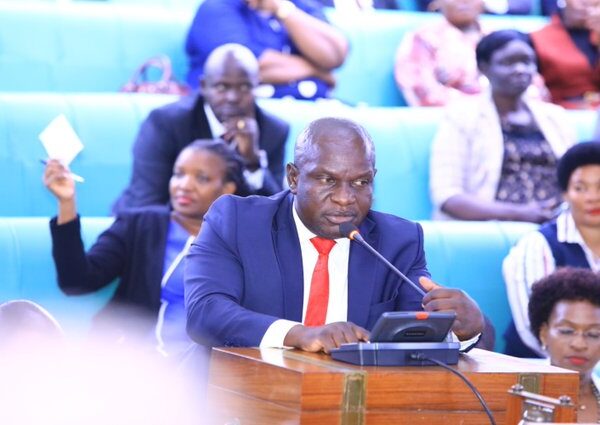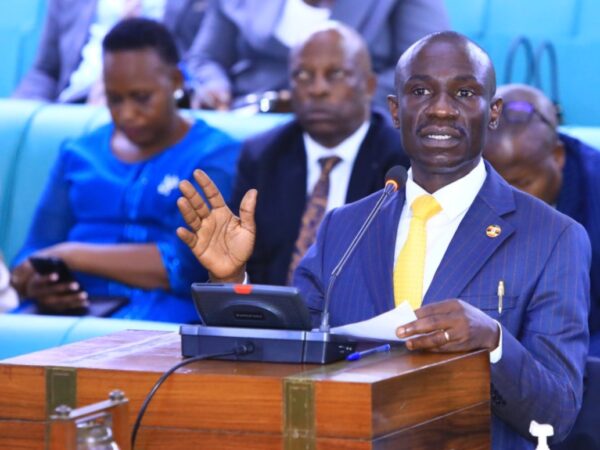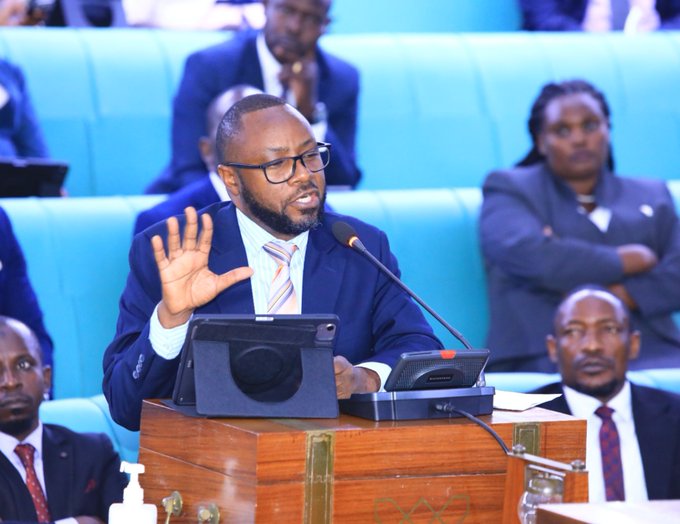
KAMPALA, UGANDA — Rukiga County Member of Parliament Patrick Kiconco Katabaazi has called for a fairer formula for allocating road funds to local governments, arguing that terrain and population should determine the distribution of resources to address infrastructure needs across the country.
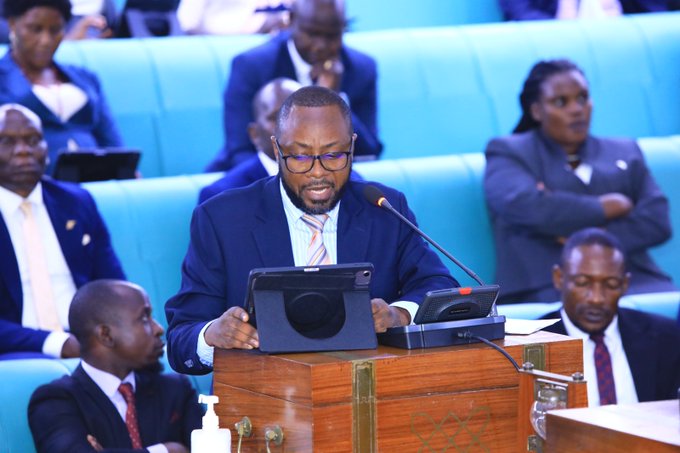
Speaking on the floor of Parliament, Katabaazi said the current allocation framework faces imbalances arising from uncertainty over the parameters used to distribute road funds, warning that local governments with different geographical and population characteristics may not receive resources that adequately reflect their needs.
The legislator, who represents Rukiga County in Rukiga District on the National Resistance Movement (NRM) ticket, argued that a needs-based approach would promote fairness and improve the effectiveness of public spending on road infrastructure.
Katabaazi maintained that terrain should be a key consideration because geographical conditions influence the cost of constructing, maintaining and rehabilitating roads. Areas facing more challenging terrain may require additional resources to ensure reliable transport connections and access to essential services.
He also identified population as an important factor, noting that the demand placed on road networks differs from one locality to another. In his view, incorporating population figures into the allocation formula would help ensure that funding reflects the needs of the communities served by the roads.
The MP’s proposal raises an important question about how government distributes limited infrastructure resources among local governments with varying development needs. A transparent formula that considers both geographical challenges and population could help reduce disparities and make public investment more responsive to local circumstances.
For Rukiga District, the debate on road financing is particularly relevant to local development, given the importance of reliable road networks in connecting communities, supporting trade and improving access to essential public services.
Beyond the immediate question of funding, Katabaazi’s position highlights the importance of establishing clear allocation criteria that local governments can use to plan projects, set priorities and account for the resources they receive.
His call places emphasis on the need for government to clarify the parameters governing road fund distribution and ensure that allocations are guided by measurable needs rather than an approach that could disadvantage some local governments.
As Parliament considers issues affecting local government financing, Katabaazi’s argument underscores the need to link infrastructure funding to the actual conditions on the ground, with equity, transparency and effective service delivery remaining central to the country’s development agenda.