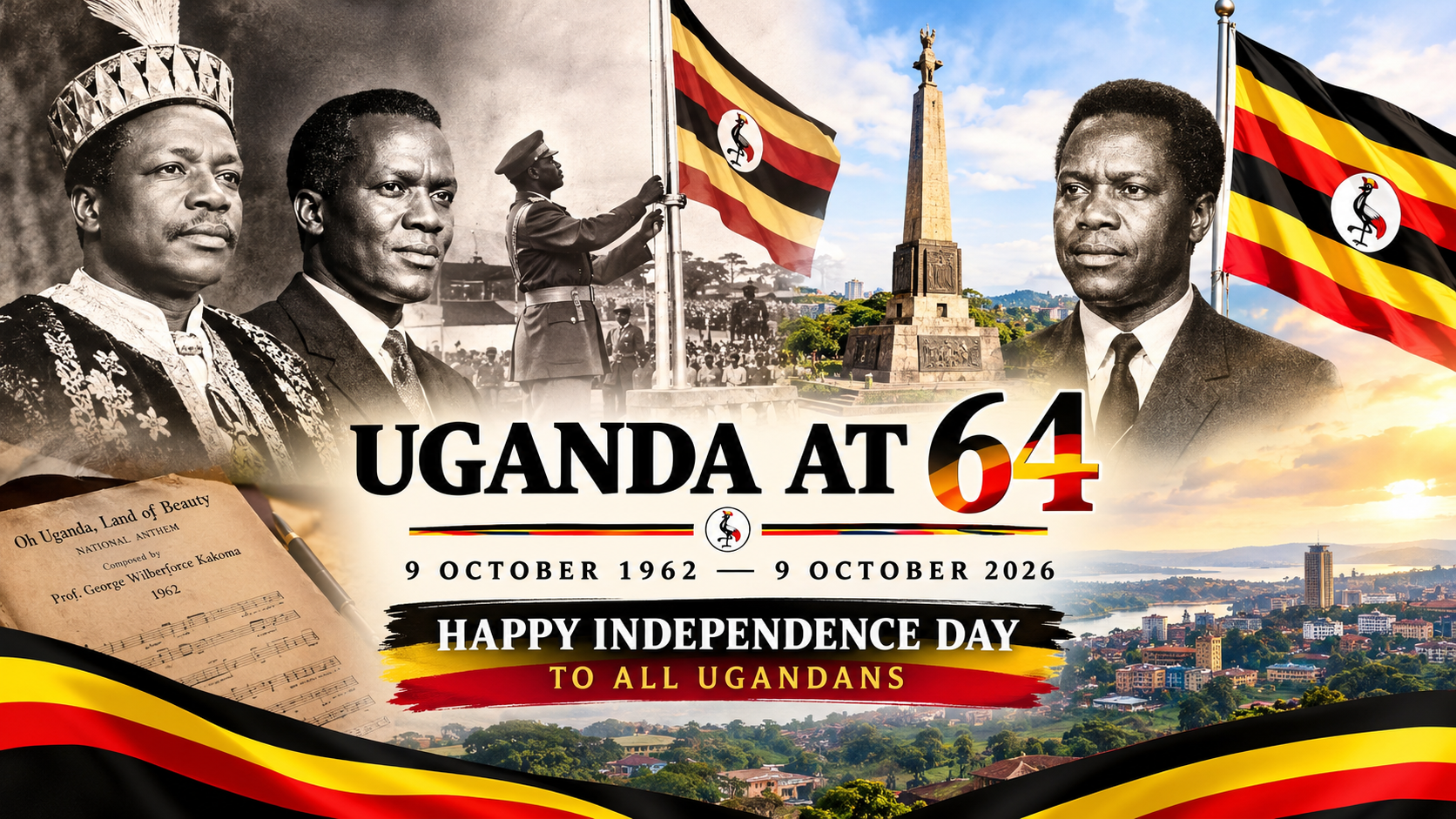
KAMPALA — Sixty-four years ago, Uganda turned a historic page when the Union Jack was lowered and the national flag was raised on October 9, 1962, marking the country’s independence from British colonial rule. The moment ushered in a new era of self-government and placed the responsibility for Uganda’s future in the hands of its people.
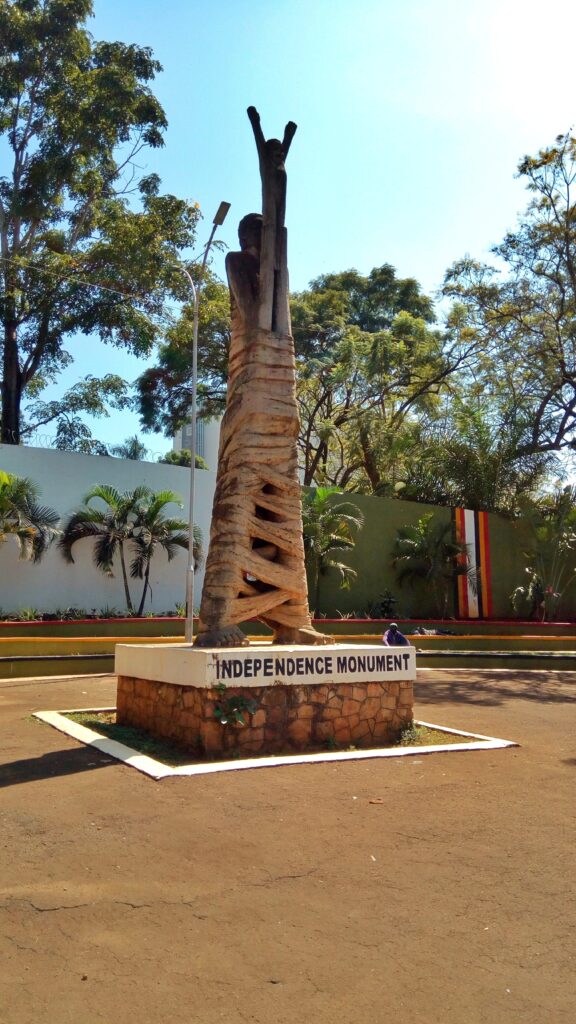
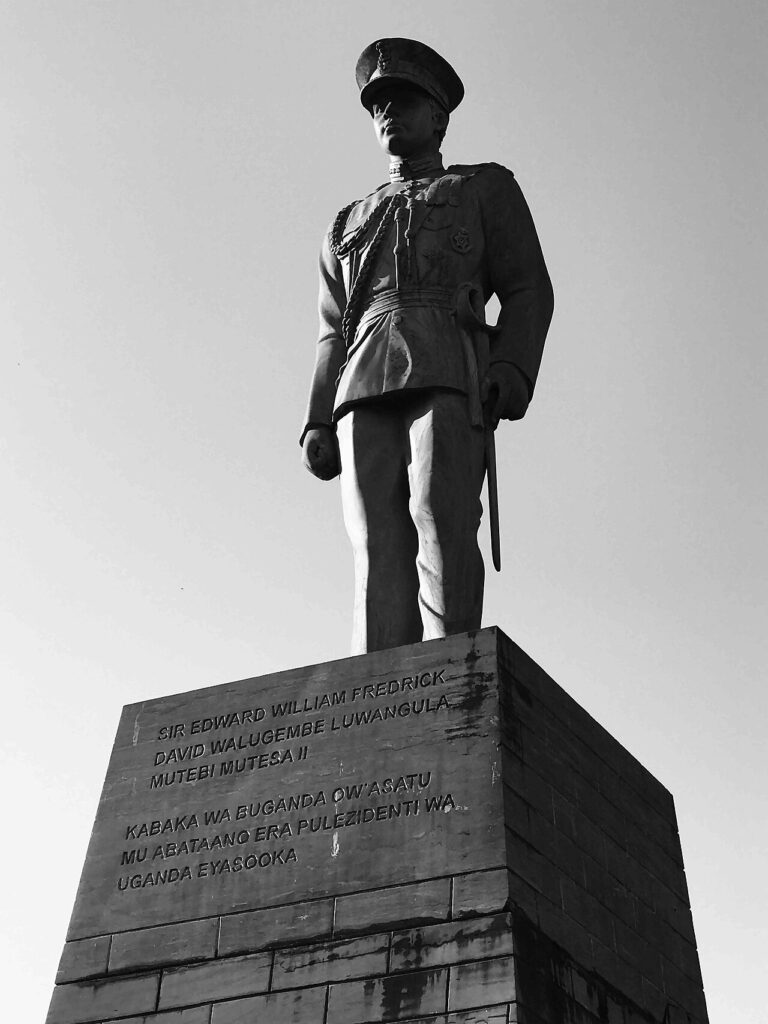
At the centre of that defining moment were personalities who shaped the country’s early political history. Sir Edward Mutesa II, then Kabaka of Buganda, became Uganda’s first President, while Apollo Milton Obote became the country’s first Prime Minister. Other figures, including Benedicto Kiwanuka, also played important roles in the political journey that preceded independence.
Uganda’s new identity was also expressed through its national symbols. In 1962, Prof. George Wilberforce Kakoma composed “Oh Uganda, Land of Beauty,” which was selected as the country’s national anthem after a competition. Kakoma was declared the winner in July 1962, only months before independence.
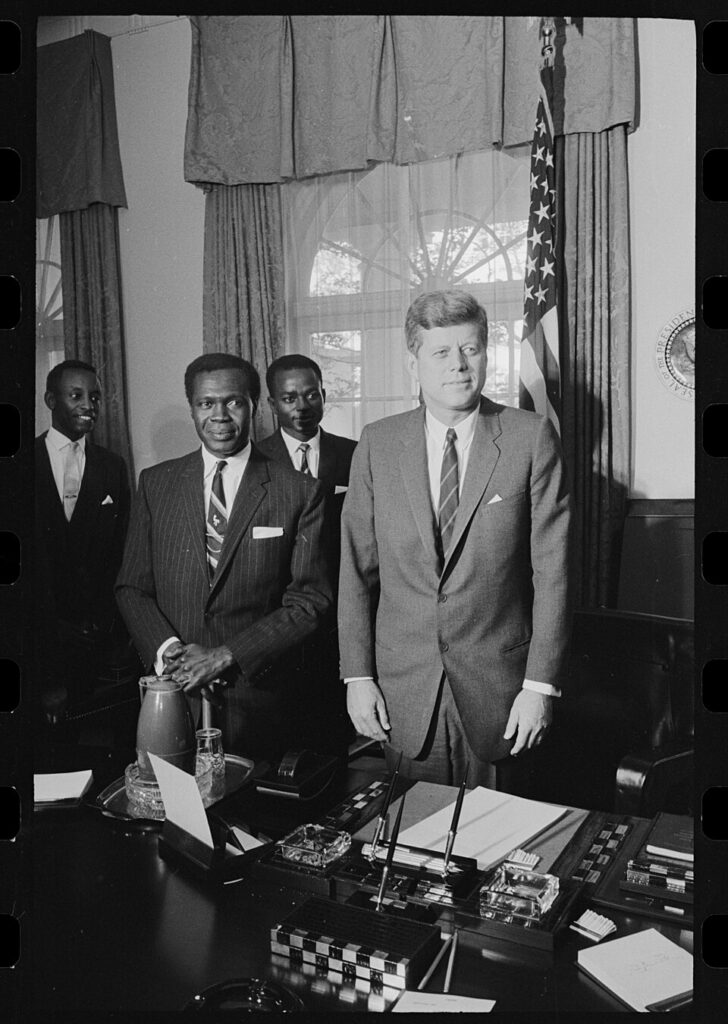
Prime Minister Milton Obote
Then came the moment that remains one of the most powerful images in Uganda’s history — the lowering of the British Union Jack and the raising of the newly independent Uganda flag at midnight on October 9, 1962. Maj. Kanuti Akorimo has for decades been recognised and reported as the soldier who performed the historic task.
However, the identity of the flag-raiser has become one of Uganda’s intriguing historical debates. Sgt. Terencio Okello Lawelo, an Acholi soldier from Kitgum, has also been identified in accounts of the historic ceremony, with claims that he was selected by then Army Commander Brig. Shaban Opolot to raise the flag. With the historical record remaining contested, the identity of the man in the famous moment continues to generate debate.
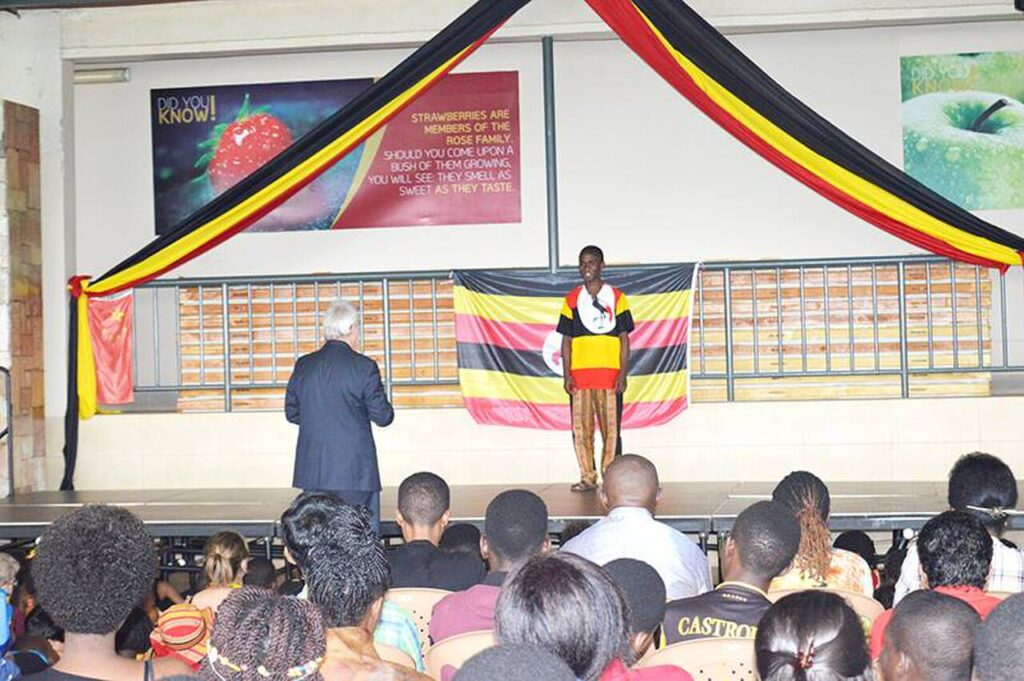
For the generation that witnessed independence, the occasion represented more than a change of administration. It carried the hope that Ugandans would determine their own destiny, build institutions that reflected their aspirations and create a country where future generations could enjoy greater opportunities.
But independence was only the beginning of Uganda’s story. The years that followed brought political changes, periods of instability, economic challenges and major transformations that have continued to shape the country. Each generation has inherited a different Uganda while carrying the responsibility of moving it forward.
Today, Uganda looks vastly different from the country of 1962. Education has expanded, technology has transformed communication and business, cities have grown, and Ugandans have established themselves across the world. Yet the central question remains: what should independence ultimately deliver to the ordinary Ugandan?
As Uganda marks 64 years of independence, perhaps the greatest tribute to Mutesa II, Obote, Kakoma, Akorimo, Lawelo and the many known and unknown people who contributed to the country’s journey is not simply to remember their names, but to continue building a Uganda defined by unity, opportunity, dignity, peace and prosperity.
Happy 64th Independence Day to all Ugandans, at home and across the world. May Uganda’s journey from 1962 continue to inspire every generation to build an even stronger and more prosperous nation. 🇺🇬