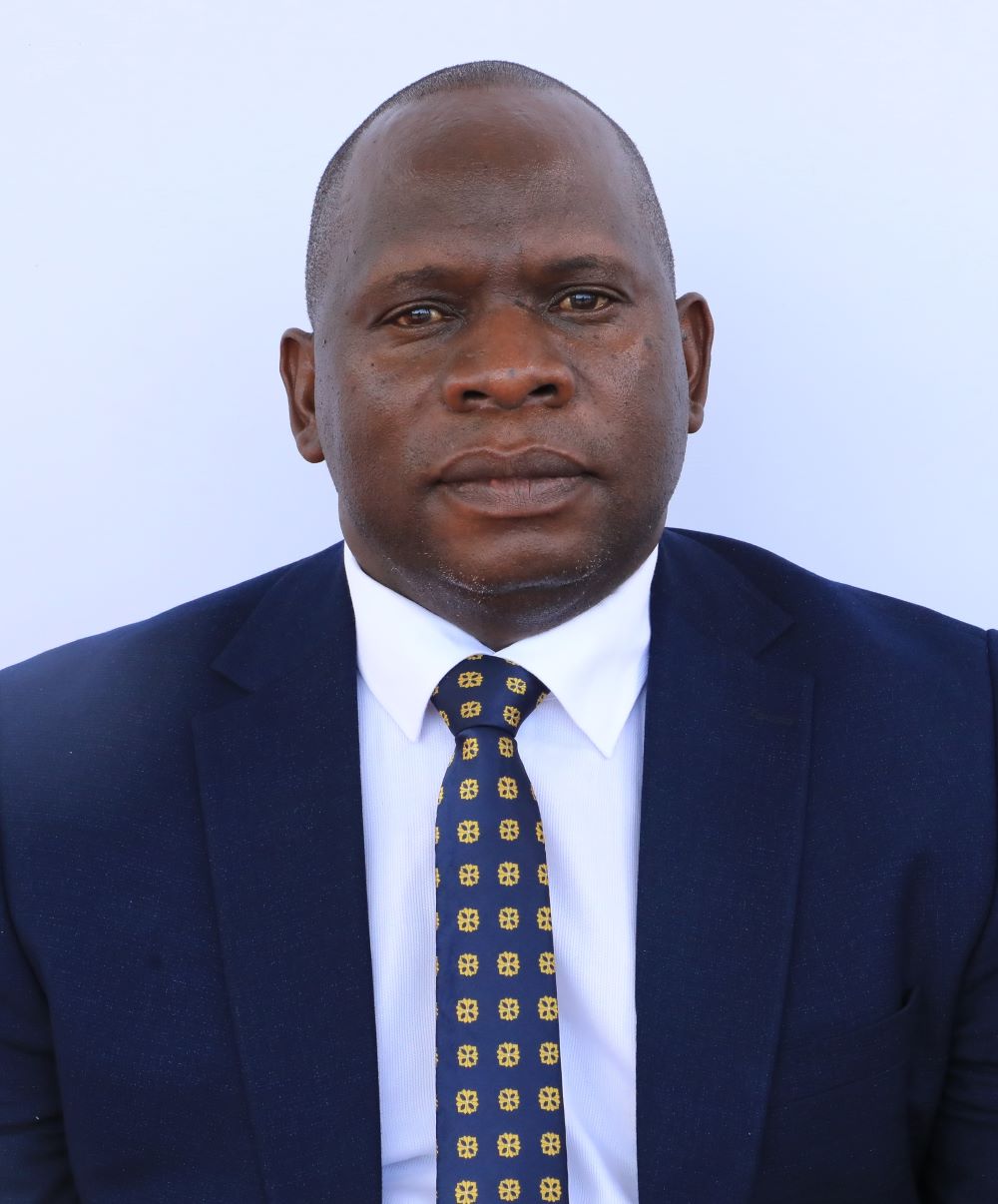
KAMPALA – Lugazi Municipality Member of Parliament, Hon. Richard Ssalongo Senteza, questioned officials from Kiira Motors Corporation over procurement procedures, subsidiary businesses and accountability for public funds during a meeting of Parliament’s Committee on Commissions, Statutory Authorities and State Enterprises (COSASE).
During the committee proceedings, Senteza expressed concern about the manner in which some government officials responded to parliamentary scrutiny, arguing that certain officials appeared prepared to present only information they wanted legislators to hear while avoiding critical questions raised by committee members.
He questioned the corporation’s decision to invite suppliers through an open bidding process before allegedly disregarding the outcome and selecting an entity that had already been in the opposition, demanding an explanation for conducting competitive bidding if the established process could eventually be bypassed.
Senteza also challenged the corporation over its decision to proceed with signing a contract after the bidding period had expired. He questioned what informed the decision, particularly after officials reportedly acknowledged responsibility for their actions despite being aware that the procurement process had already expired.
Another issue he raised concerned the relationship between Kiira Motors Corporation and its subsidiary, IPAS Company Limited, particularly regarding the corporation’s involvement in manufacturing and transportation businesses.
The legislator questioned the corporation’s explanation that First Yoko had been mandated to manufacture buses and other vehicles while also raising concerns about its involvement in transportation through a company conducting business on behalf of the corporation. He questioned whether the arrangement created a conflict of interest or amounted to insider trading.
Senteza further demanded accountability over how ordinary Ugandans benefited from the substantial public investment injected into Kiira Motors Corporation to support its operations and development.
He questioned why the corporation retained and spent revenue generated from its operations at source instead of returning the money to the Consolidated Fund, arguing that taxpayers deserved to understand how public investments translated into tangible benefits for the country.
He noted that government collected taxpayers’ money and deposited it into the Consolidated Fund before allocating resources to support the corporation, raising concerns about accountability when revenue generated by the institution was retained and spent directly.
Senteza called for clear accountability mechanisms to ensure that public investments generated meaningful returns for Ugandans and that public resources were managed transparently and in the best interests of citizens.