By Tugume Muzafaru senior journalist Rubirizi District
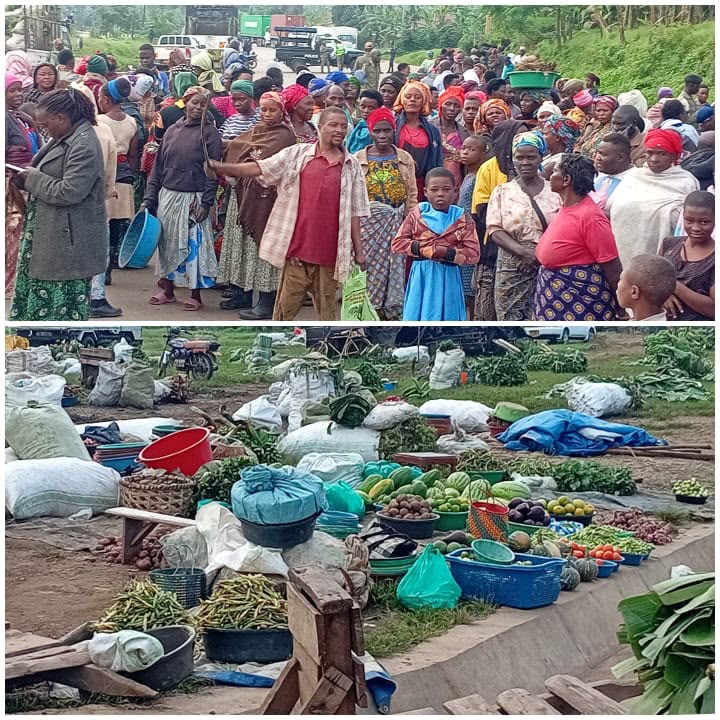
RUBIRIZI: The National General Cleaning Exercise in Rubirizi turned chaotic after traders at Ndekye and Nyakasharu markets protested and refused to participate in the cleaning exercise, citing poor market conditions, inadequate sanitation facilities and a lack of proper cleaning tools.
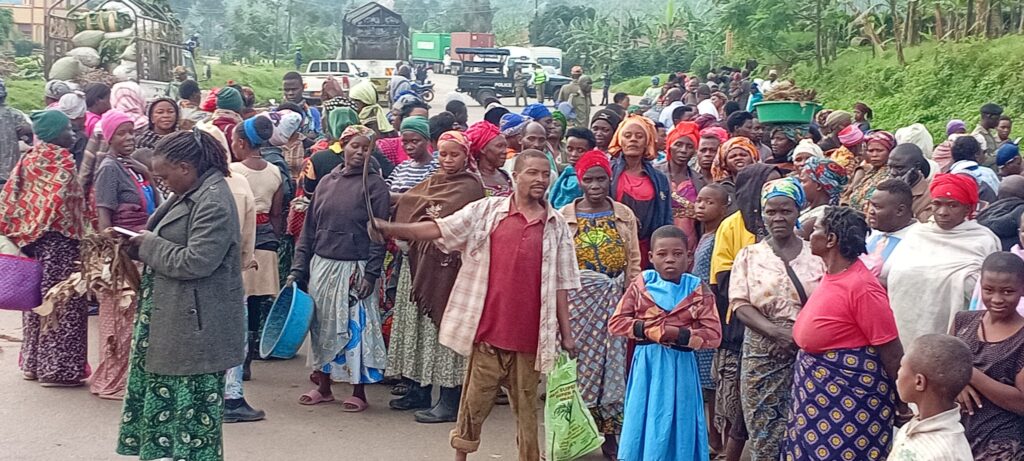
The traders expressed anger over the state of the markets, saying they paid taxes and market dues but continued to work in environments characterised by heaps of garbage, mud, foul smells and inadequate sanitation facilities.
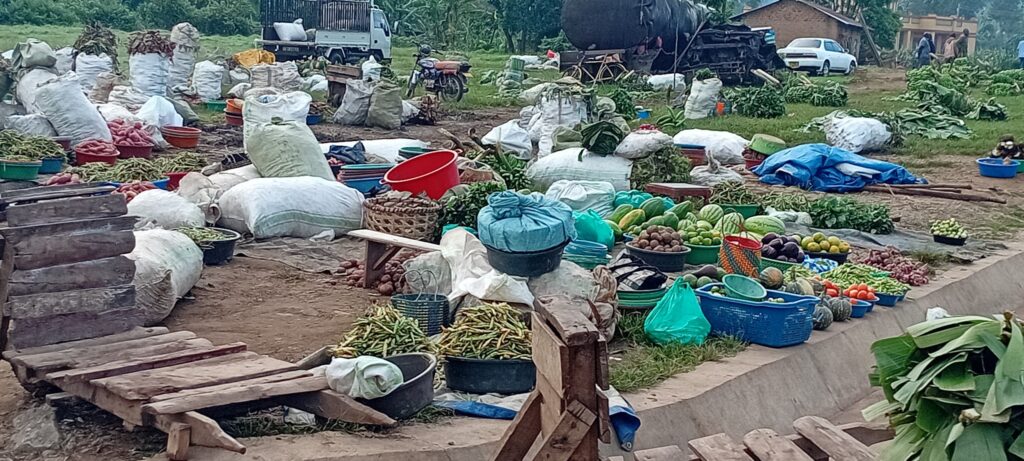
They accused market tender holders and Rubirizi Town Council officials of failing to provide basic services, saying the markets lacked proper drainage systems, designated garbage collection points and adequate pit latrines and toilets for vendors.
Some traders argued that they should not have been required to carry out community cleaning work in the markets because they already paid market dues. They maintained that part of the revenue collected from traders should have been used to hire workers to collect garbage and maintain cleanliness in the markets.
Other traders said they had no problem participating in the cleaning exercise but complained that they had not been provided with sufficient protective and cleaning equipment, including gloves, slashers, brooms, face masks and gumboots.
They said the lack of protective equipment exposed them to health risks as they were sometimes forced to handle garbage with bare hands while working in unhygienic surroundings.
The traders also accused the tender holder responsible for Ndekye and Nyakasharu markets of concentrating on collecting taxes without ensuring adequate service delivery, calling for investigations into the management of the markets and demanding accountability for the money collected from them.
The traders said they were tired of paying taxes without seeing corresponding improvements in sanitation and other services, and urged Rubirizi Town Council and other authorities to ensure that taxpayers received value for their money.
They called on local leaders and the government to urgently intervene, improve sanitation facilities, provide appropriate cleaning equipment and ensure proper garbage collection in the markets, warning that continued neglect of the issue would expose traders and residents to diseases associated with poor hygiene.
The protests disrupted the cleaning exercise as traders remained firm in their demand for better sanitation, accountability and improved service delivery before fully participating in similar community cleaning activities.