By Our Parliamentary Reporter
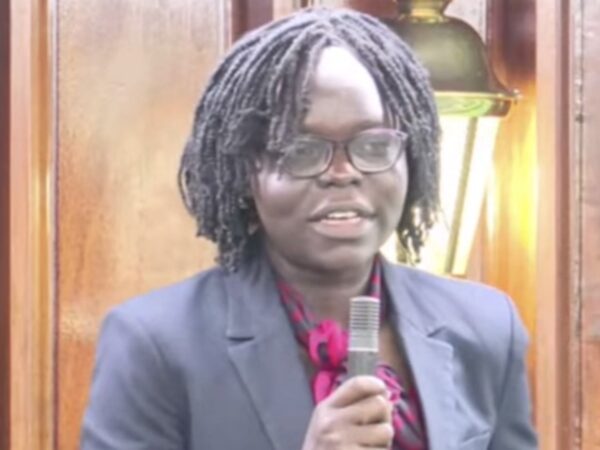
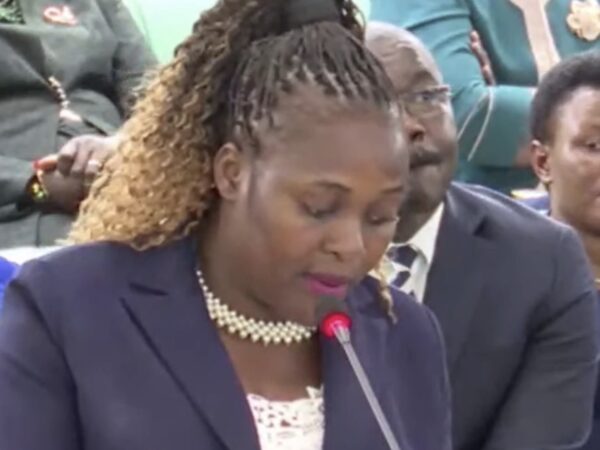
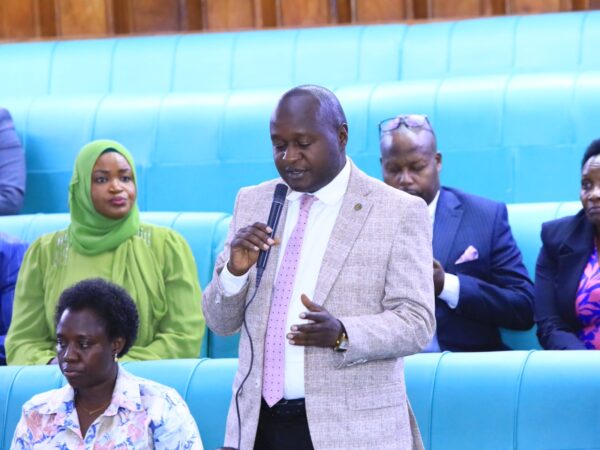
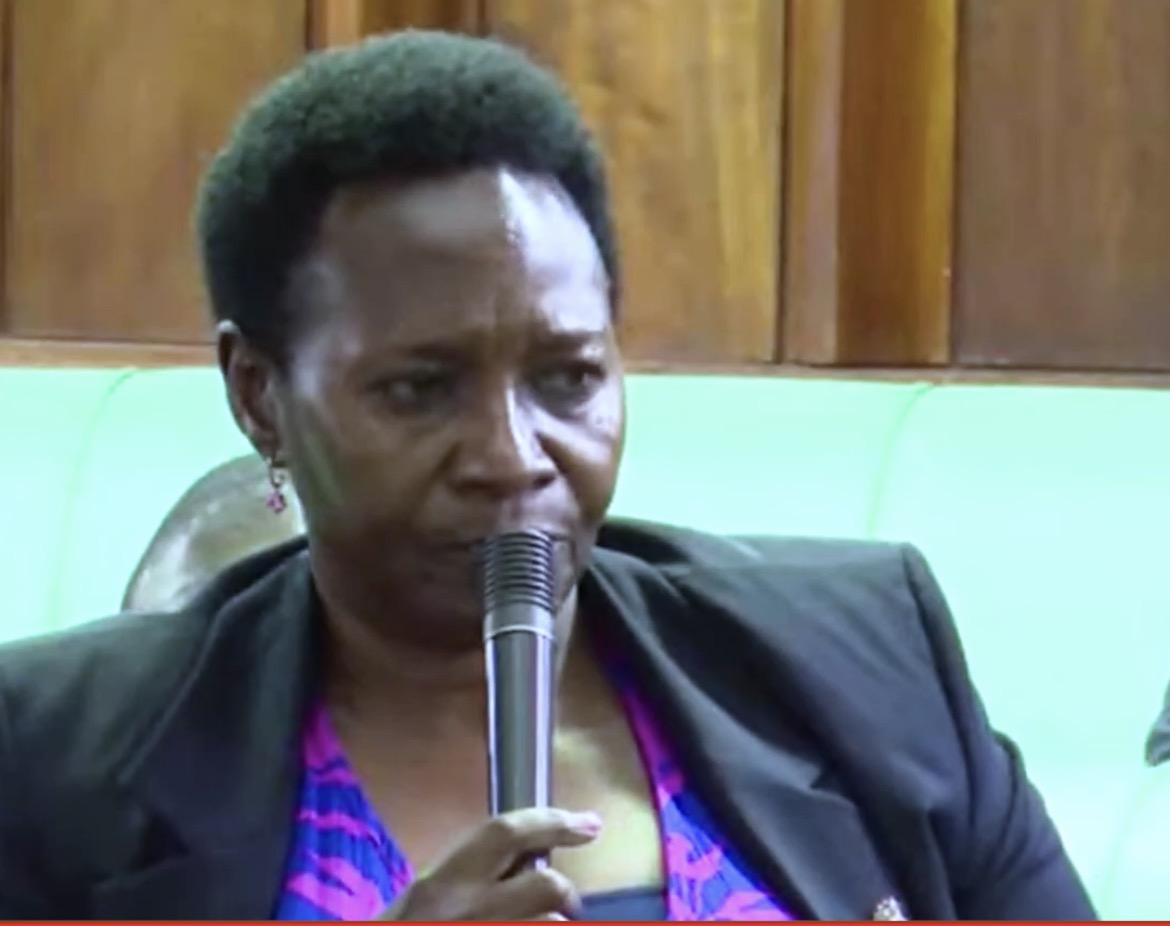
PARLIAMENT, KAMPALA — Hon. Anna Maria Nankabirwa, Woman Member of Parliament for Kyankwanzi District, has called on the Ministry of Education and Sports to reconsider the minimum requirements for schools operating boarding sections, citing the unique challenges faced by learners in hard-to-reach rural communities.
Speaking on the floor of Parliament on Thursday, October 29, 2026, during consideration of the Minister’s statement on the minimum requirements for school boarding sections, Nankabirwa acknowledged the importance of ensuring that boarding facilities meet appropriate standards but urged the government to consider the geographical realities of different parts of the country.
The legislator argued that a uniform approach to boarding regulations may not adequately address the needs of communities where children travel long distances to access education, particularly in rural areas with limited infrastructure and accommodation facilities.
To illustrate her concerns, Nankabirwa cited a primary school she referred to as Kirara, where, according to her submission, a child may have to travel nearly 10 kilometres to access a Universal Primary Education (UPE) school. She also recounted an incident involving a young girl who was reportedly raped, highlighting the safety risks that can arise when learners travel long distances to school.
She urged the Ministry to consider the circumstances of such communities when implementing boarding requirements, explaining that some parents resort to converting ordinary classrooms into boarding facilities to enable their children to remain near school and continue with their education.
Nankabirwa noted that the challenge extends beyond primary education, saying similar situations affect learners in secondary schools across the country. She observed that some parents even resort to renting wedding venues to provide accommodation for their children, reflecting the difficulties families face in securing suitable boarding facilities.
The MP cautioned that such improvised arrangements create challenges for learners and may contribute to some children failing to complete their education. She called for practical interventions that protect learners while ensuring that regulatory requirements do not unintentionally limit access to education in underserved communities.
She further explained that teachers, parents and Parents’ Associations sometimes jointly establish boarding facilities in response to the difficulties learners face while travelling to and from school. According to her, such initiatives are often driven by the need to keep children in school despite the limitations affecting their communities.
The legislator called for greater engagement between the Ministry of Education and Sports, school administrators, teachers and parents to develop guidelines that balance child safety, appropriate boarding standards and the need to expand access to education. She maintained that the circumstances of hard-to-reach areas should be considered when determining how schools can provide accommodation for learners.
Nankabirwa’s submission highlights the challenge of balancing school safety regulations with the realities facing rural families. Her appeal places emphasis on the need for education policies that protect children while recognising the practical barriers that can prevent learners from accessing and completing their education, particularly in communities where schools and suitable accommodation are far apart.