KAMPALA, UGANDA — Budadiri East Member of Parliament, Hon. Eng. Julius Nakiyi, has challenged the Ministry of Finance, Planning and Economic Development to explain the circumstances surrounding the Shs 8 billion investment involving the Libyan Foreign Bank and Tropical Bank, calling for greater accountability in the management and protection of public investments.
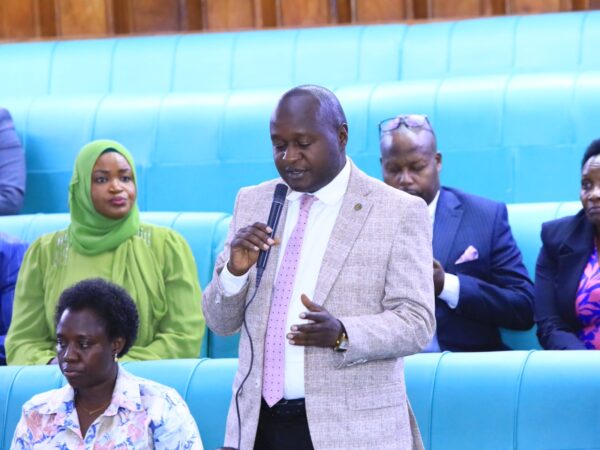
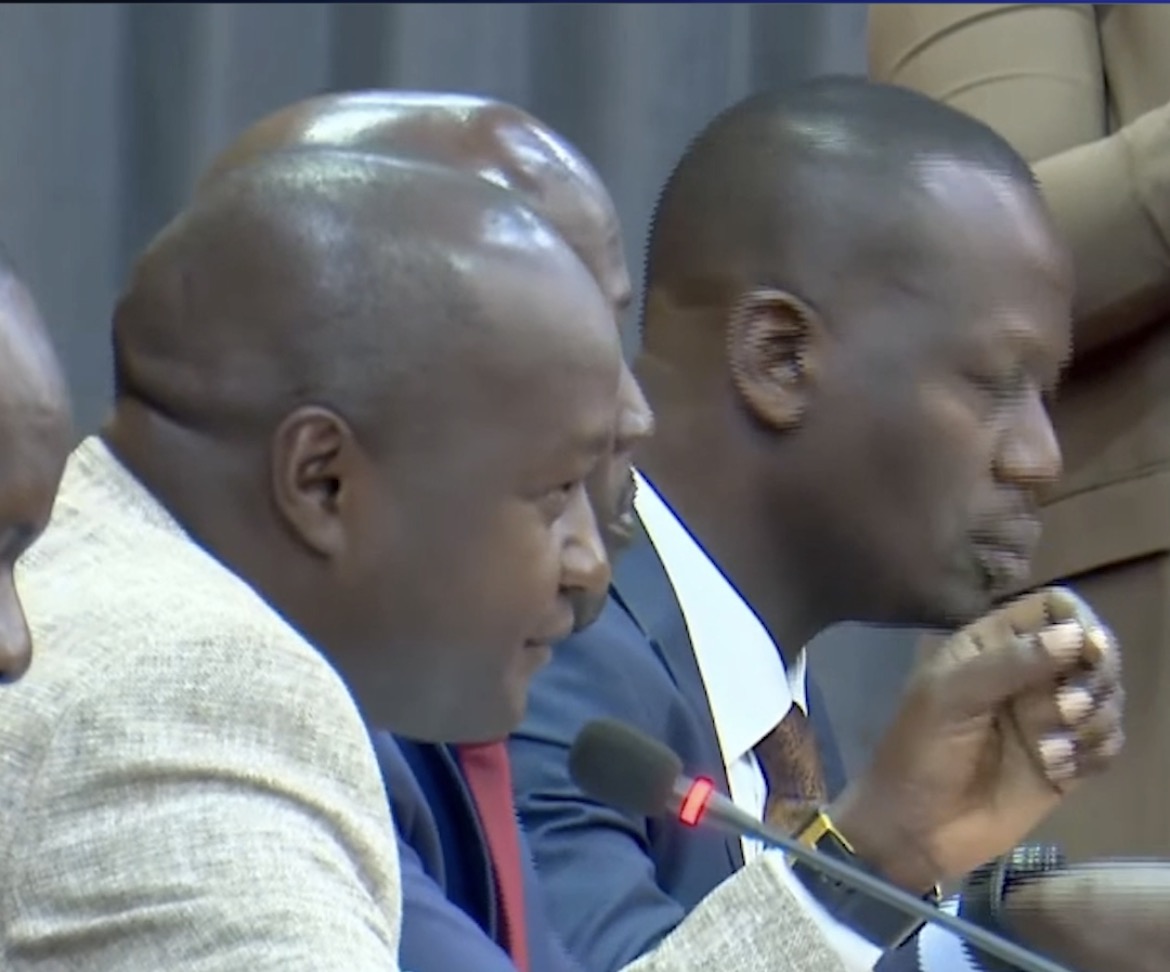
Nakiyi made the remarks during Thursday’s sitting of Parliament’s Committee on Commissions, Statutory Authorities and State Enterprises (COSASE), which held a meeting with officials from the Uganda Registration Services Bureau (URSB) to examine matters relating to the investment.
In his submission, Nakiyi acknowledged the importance of investigating the Shs 8 billion reportedly due for payment but argued that the committee should broaden its focus to examine how government investments in financial institutions are made, monitored and protected.
The legislator expressed concern over the alleged failure to follow the required procedures, warning that such shortcomings could expose public resources to unnecessary risks. He argued that the institutions and parties involved in an investment may not bear the greatest consequences when compliance requirements are overlooked, leaving the government and ordinary Ugandans vulnerable.
“The risk is not with them, Rocco. It is not with Tropical Bank. The risk is with the people of Uganda,” Nakiyi told the committee, emphasising that the ultimate responsibility for protecting public funds lies with the relevant government authorities.
Nakiyi consequently called on the Ministry of Finance to explain why the investment was allegedly undertaken without following the necessary procedures. He insisted that the ministry should account for its decisions and clarify the measures taken to ensure that the government’s financial interests were safeguarded.
The MP further questioned why the government had not sufficiently exercised its responsibilities as an investor to ensure compliance and protect the value of the investment. He argued that government involvement in financial institutions should be accompanied by proper oversight, clear accountability mechanisms and effective safeguards against potential losses.
During the discussion, Nakiyi also raised a concern about whether the financial obligations involving Libya could be connected to debts subject to international sanctions, calling for clarification on the matter. The question highlighted the need for the relevant authorities to establish the status and legal circumstances of the financial obligations before drawing conclusions.
His submission placed emphasis on the need for COSASE to look beyond the Shs 8 billion figure and examine the decisions, procedures and institutional responsibilities surrounding the investment. According to Nakiyi’s argument, accountability should cover not only the money involved but also the conduct of the government agencies responsible for ensuring that public investments are properly managed.
The concerns raised by Nakiyi underscore the importance of transparency in public financial management and the need for government institutions to protect taxpayers’ money. As the committee continues its scrutiny, clarification from the Ministry of Finance and other relevant institutions will be important in establishing the circumstances surrounding the investment and determining whether the required procedures were followed.