NYABUSHOZI – KIRUHURA Nyabushozi County MP Wilson Kajwengye has welcomed Parliament’s adoption of the report on human-wildlife conflict, describing the development as a major step towards addressing the suffering of communities living near national parks and other protected areas.
Kajwengye has been at the forefront of raising concerns about the destruction of crops, livestock, communal water sources and other property by wild animals, as well as the loss of human life. He says the adoption of the report offers hope to residents of Nyabushozi and other constituencies that continue to bear the cost of living alongside wildlife.
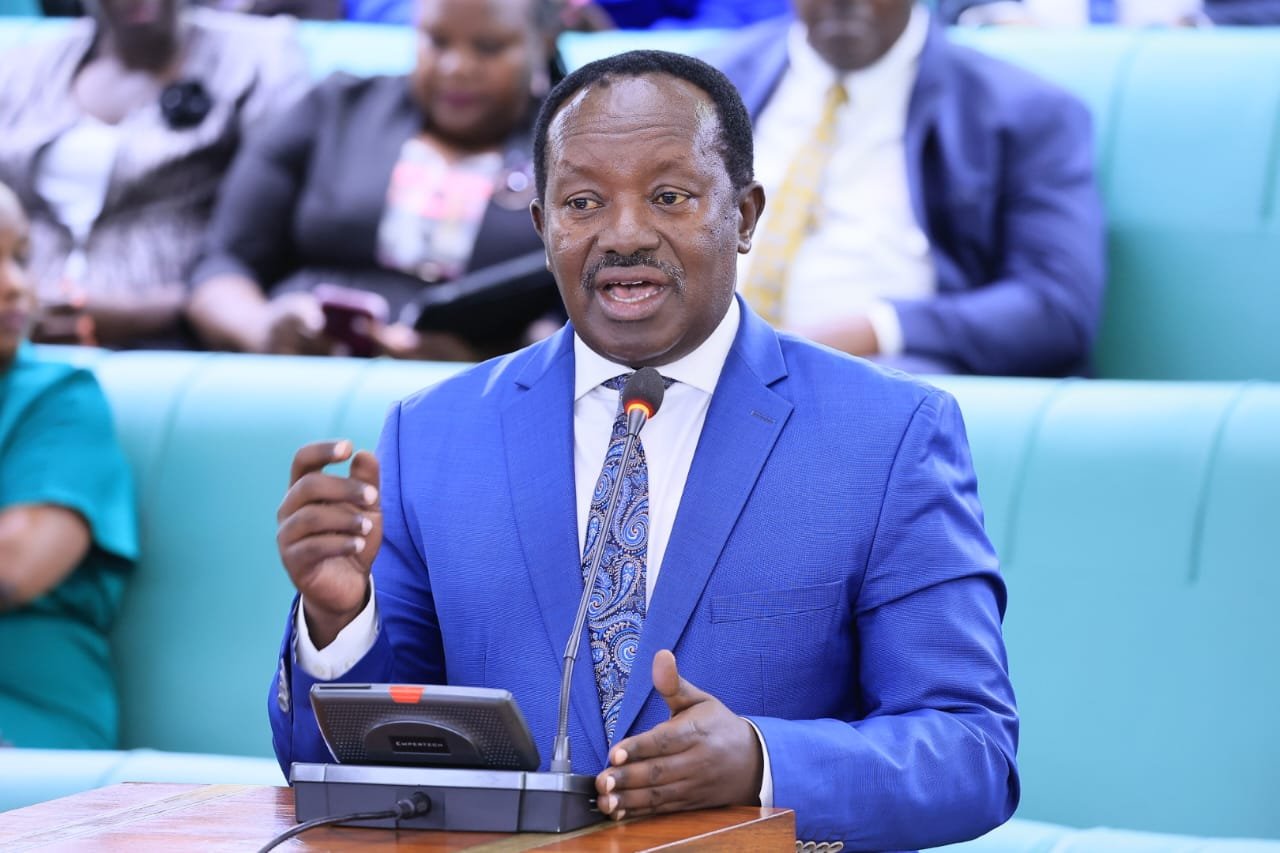
On August 4, 2026, Kajwengye raised a Matter of National Importance on the floor of Parliament, highlighting the plight of communities in five of the 12 sub-counties and town councils in Nyabushozi that border Lake Mburo National Park. He called for urgent government intervention to protect residents and support families whose livelihoods have been affected by wildlife incursions.
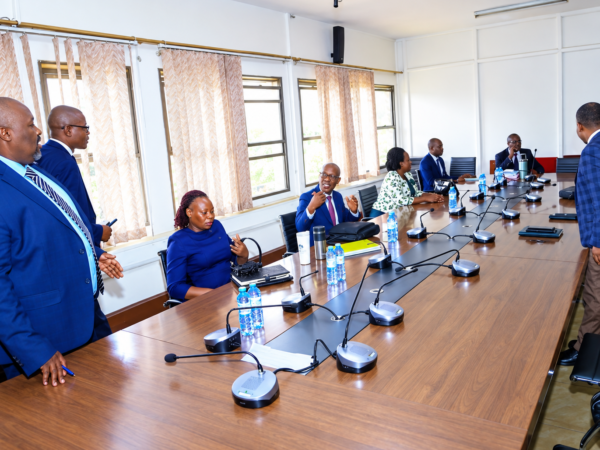
Following his presentation, Deputy Speaker Thomas Tayebwa referred the matter to the Committee on Trade, Tourism and Industry for further consideration. Kajwengye subsequently appeared before the committee on August 12, 2026, where he presented the concerns of Nyabushozi residents alongside other legislators representing communities affected by human-wildlife conflict.
On August 28, 2026, the committee visited Nyabushozi and interacted with residents of Minekye, Rwamuhuku, Rushororo and Bumaranjara. The engagement enabled members to hear residents’ experiences and assess the destruction caused by wild animals, while other visits to national parks and game reserves helped the committee examine the wider national challenge.
Among the key recommendations in the adopted report is a requirement for compensation claims to be processed within a period not exceeding three months. The reporting period for affected persons has also been extended from 72 hours to five days, giving communities additional time to report wildlife-related incidents and seek compensation.
The report further recommends broader coverage under the compensation framework, with all wild animals considered and domestic animals killed by wildlife qualifying for compensation. It also calls for damaged communal water sources and dams to be restored by the relevant national park authorities.
On accountability, the report recommends appropriate disciplinary action against game rangers who commit wrongdoing against members of the public during their operations. Kajwengye has also called for emergency food relief and planting materials for affected households, alongside electric fencing or trenches to prevent wild animals from entering communities.
Beyond compensation, Kajwengye wants Government to increase the revenue-sharing allocation for communities surrounding protected areas from 20 per cent to 40 per cent, arguing that residents who bear the burden of wildlife conservation should benefit more from tourism and conservation programmes. He maintains that the adopted recommendations should translate into timely relief, stronger protection and lasting solutions for Nyabushozi and other affected communities across Uganda.