ENTEBBE – Speaker of Parliament, Rt. Hon. Jacob Marksons Oboth, has challenged African legislators to champion value addition and move the continent away from exporting raw materials, warning that the practice deprives African countries of jobs, manufacturing opportunities and profits that could drive economic development.
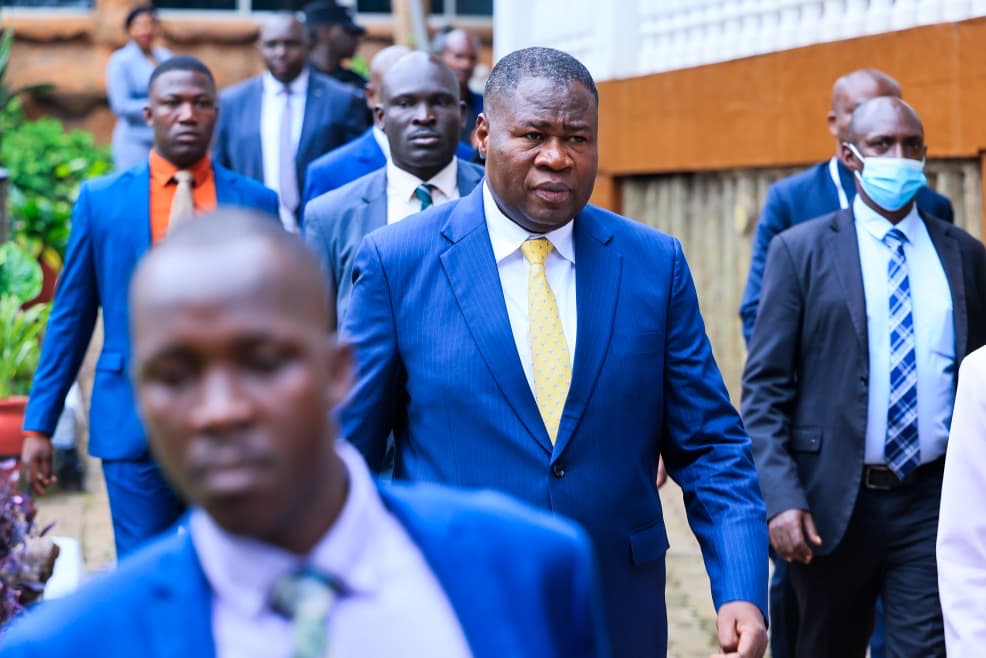
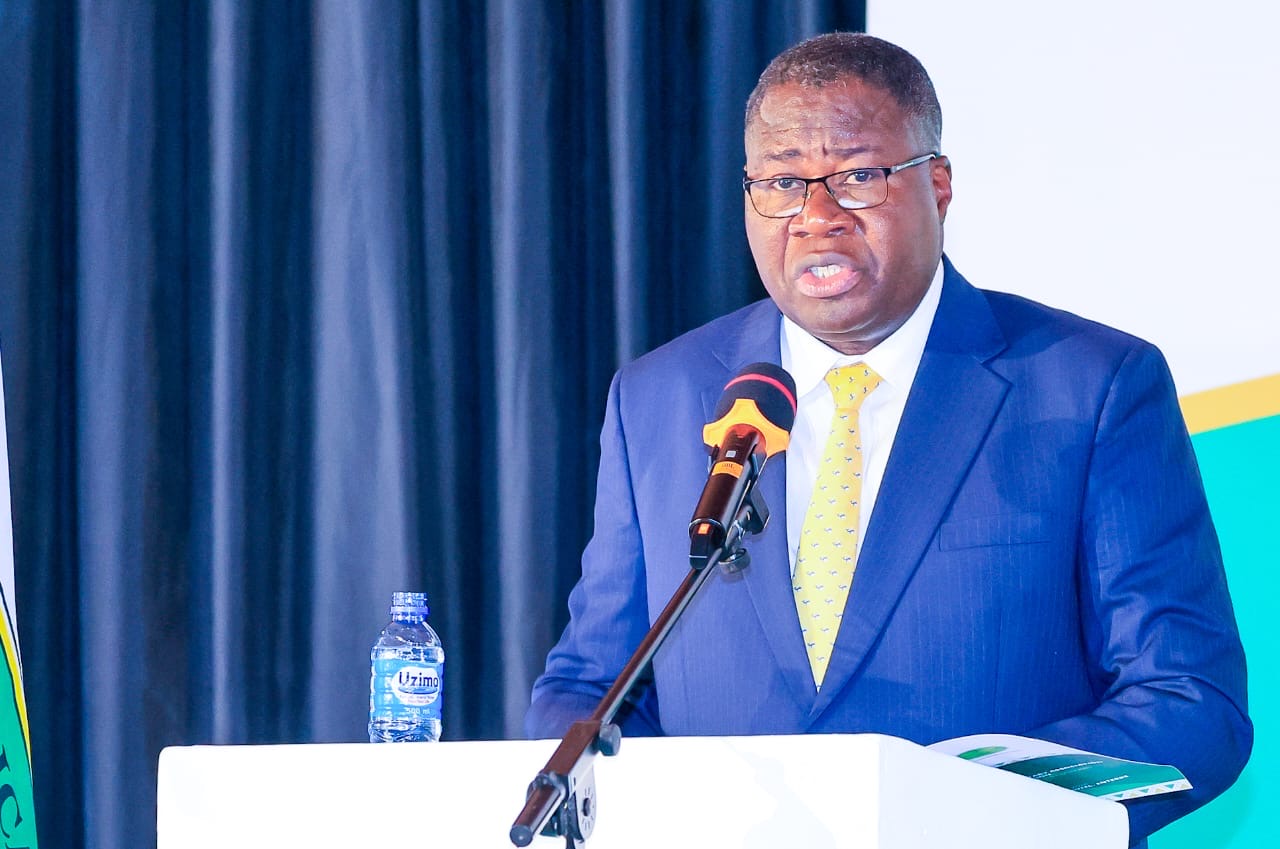
Oboth made the call on Tuesday while opening the Commonwealth Parliamentary Association (CPA) Africa Region Capacity Development Seminar at Imperial Botanical Beach Hotel in Entebbe.
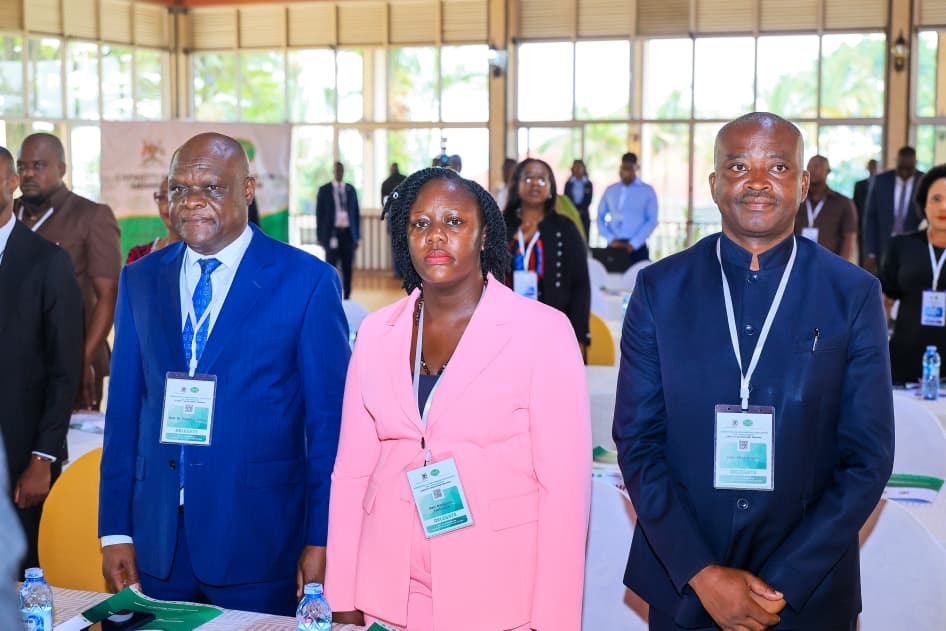
Addressing legislators from across Africa, the Speaker said the continent’s challenge was not a lack of natural resources but its failure to transform its abundant wealth into prosperity for its people.
He argued that exporting unprocessed commodities meant transferring opportunities for processing, manufacturing, employment and wealth creation to countries that purchase and refine Africa’s resources.
“When we export raw materials, we also export processing jobs, manufacturing jobs and the profits that come with them,” Oboth said.
He emphasised that adding value to natural resources was essential for protecting Africa’s economic sovereignty and ensuring that its people benefited more directly from the continent’s wealth.
The Speaker urged African MPs to use their legislative, budgetary and oversight powers to strengthen accountability in the management of natural resources, particularly by scrutinising extraction contracts, enforcing local content laws and closing loopholes that facilitate illicit financial flows and money laundering.
He further stressed that communities hosting natural resource projects should participate in decisions affecting their livelihoods, benefit from extraction activities and receive protection against displacement and environmental degradation.
Using coffee, cocoa, maize and minerals as examples, Oboth said African countries could earn significantly more by processing these commodities locally instead of exporting them in their raw form.
He pointed to Uganda’s efforts to promote local processing of agricultural products, restrict the export of unprocessed minerals and strengthen local content requirements in the oil and gas sector.
However, he cautioned that the African Continental Free Trade Area (AfCFTA) would only achieve its full potential if member states prioritised value addition and reduced their dependence on exporting unprocessed commodities.
The Speaker maintained that Africa needed to build stronger industries capable of transforming its natural resources into finished products, creating employment and retaining more profits within the continent.
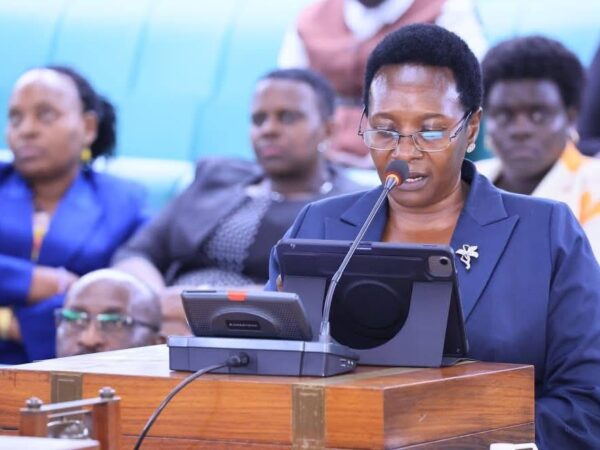
Meanwhile, Chairperson of the Commonwealth Parliamentary Association (CPA) Uganda Branch, Hon. Naome Kabasharira, said the existence of natural resources did not automatically translate into improved livelihoods for citizens.
Kabasharira called for stronger parliamentary oversight of extraction contracts and licensing, enforcement of local content laws, promotion of value addition and measures to combat illicit financial flows and aggressive tax avoidance.
She warned that weak governance, opaque transactions and profit shifting continued to deprive African governments of revenue needed to finance essential services such as healthcare, education, infrastructure and social development.
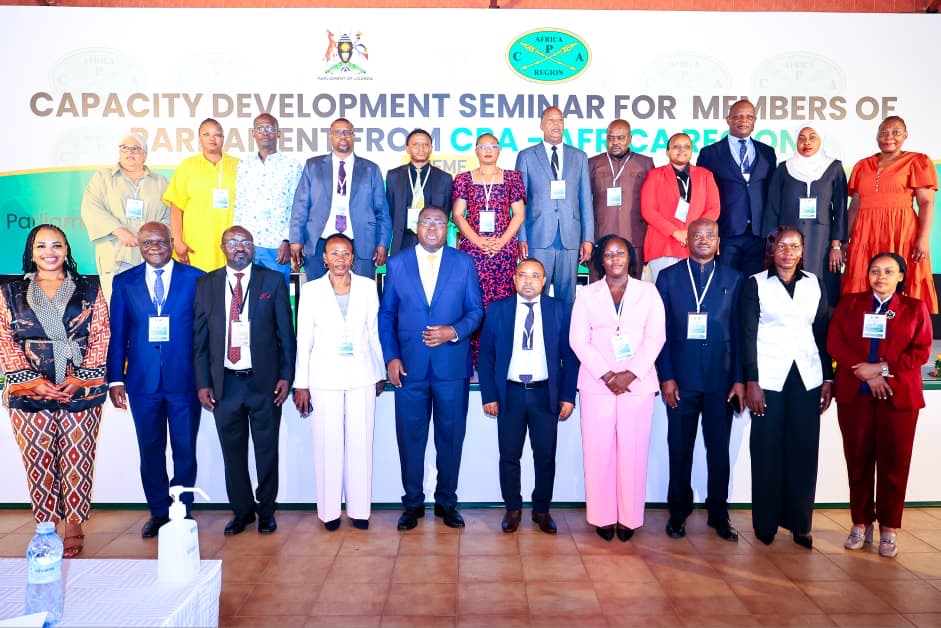
The seminar, which runs from November 9 to 13, 2026, is being held under the theme, “From Extraction to Transformation: Parliamentary Leadership in Securing Africa’s Resource Wealth for Sustainable Development.”
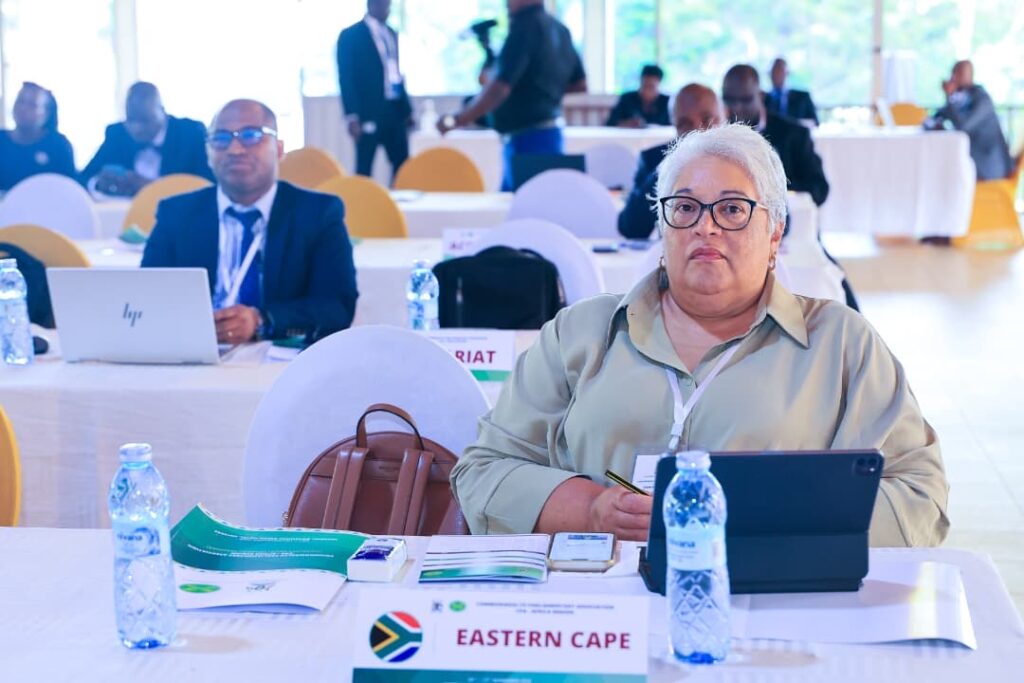
It brought together legislators from Uganda, South Africa, Rwanda, Nigeria, Tanzania and Zambia to discuss how parliamentary leadership can strengthen accountability and ensure that Africa’s natural resources contribute to sustainable development.