KAMPALA – Members of Parliament have raised questions over the utilisation of Uganda’s US$2 billion financing facility secured through the Uganda National Oil Company (UNOC), seeking clarification on how the borrowed funds have supported national infrastructure development and petroleum-related activities.
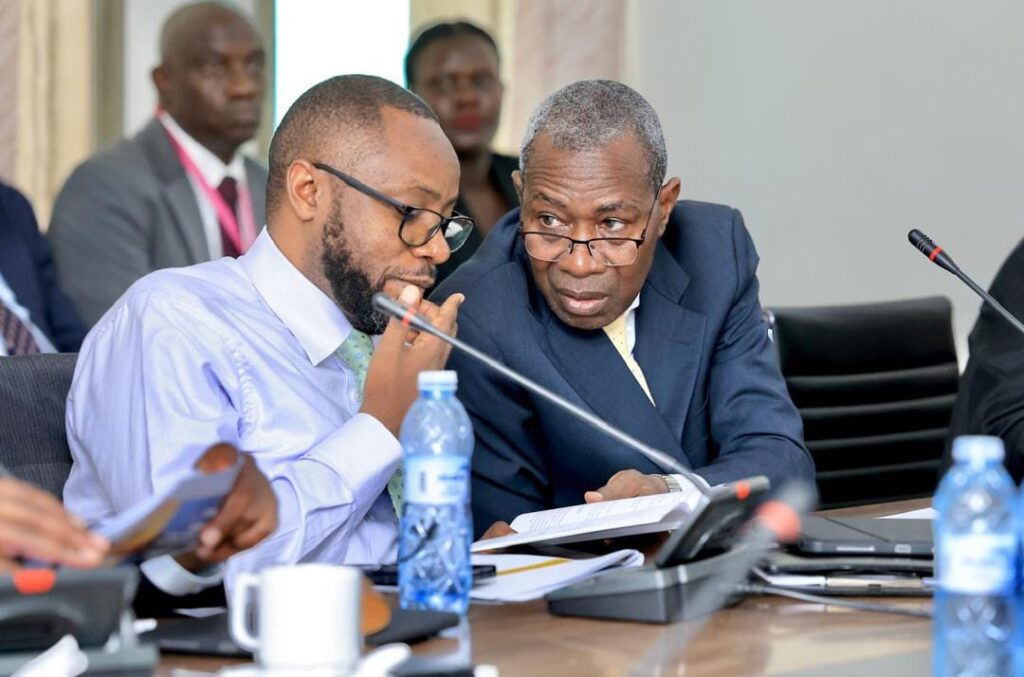
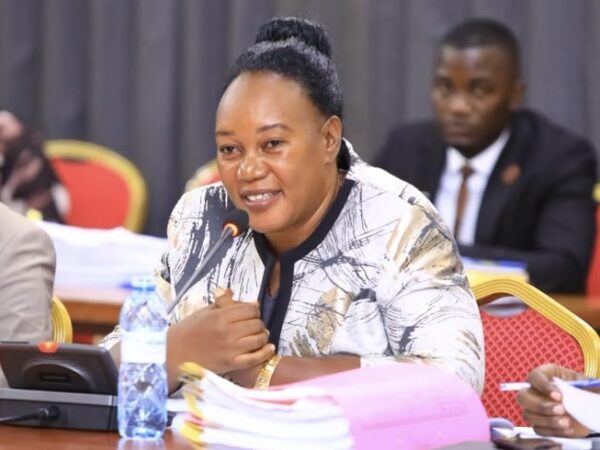
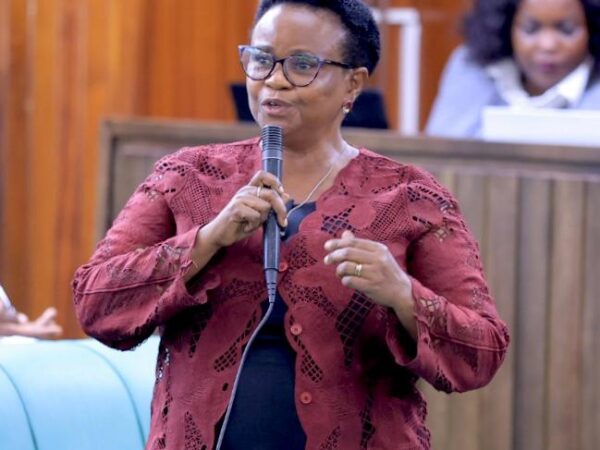
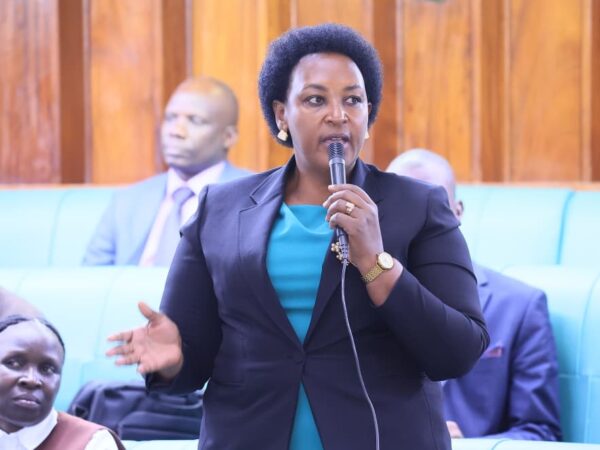
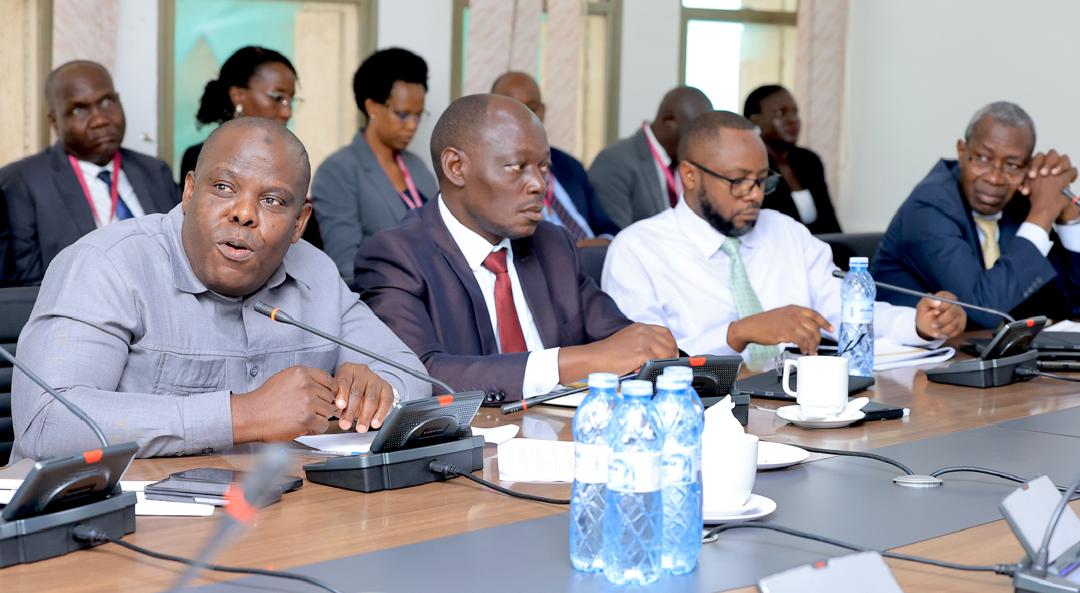
The concerns emerged during a meeting of Parliament’s Committee on Finance, Planning and Economic Development, where Finance Minister Hon. Henry Musasizi appeared alongside officials from UNOC to explain the utilisation of the financing facility.
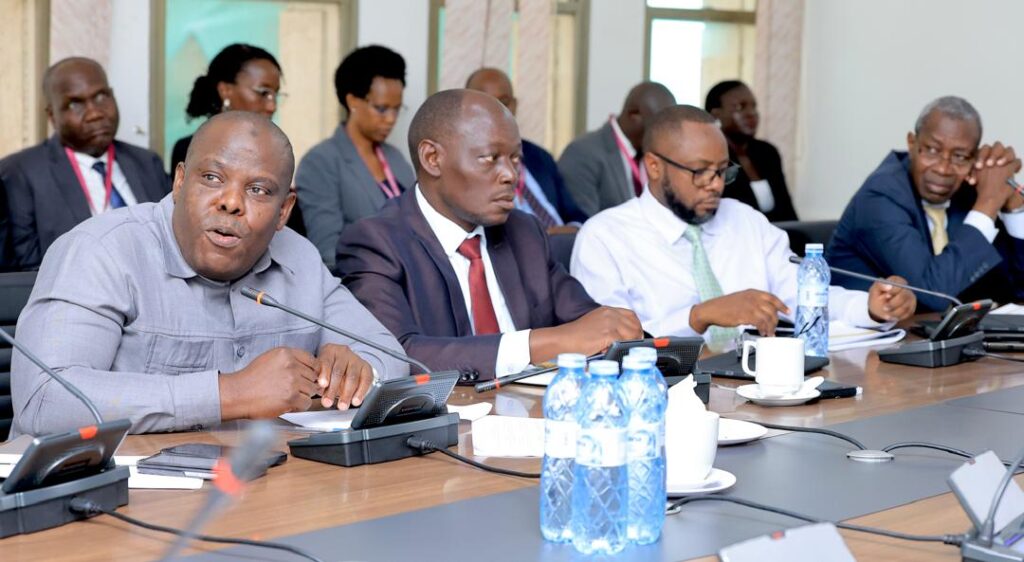
Among the legislators who questioned the arrangement was Rukiga County MP Hon. Patrick Kiconco Katabaazi, who sought clarification on the expenditure and the benefits arising from the substantial borrowing as Uganda advances towards commercial oil production.
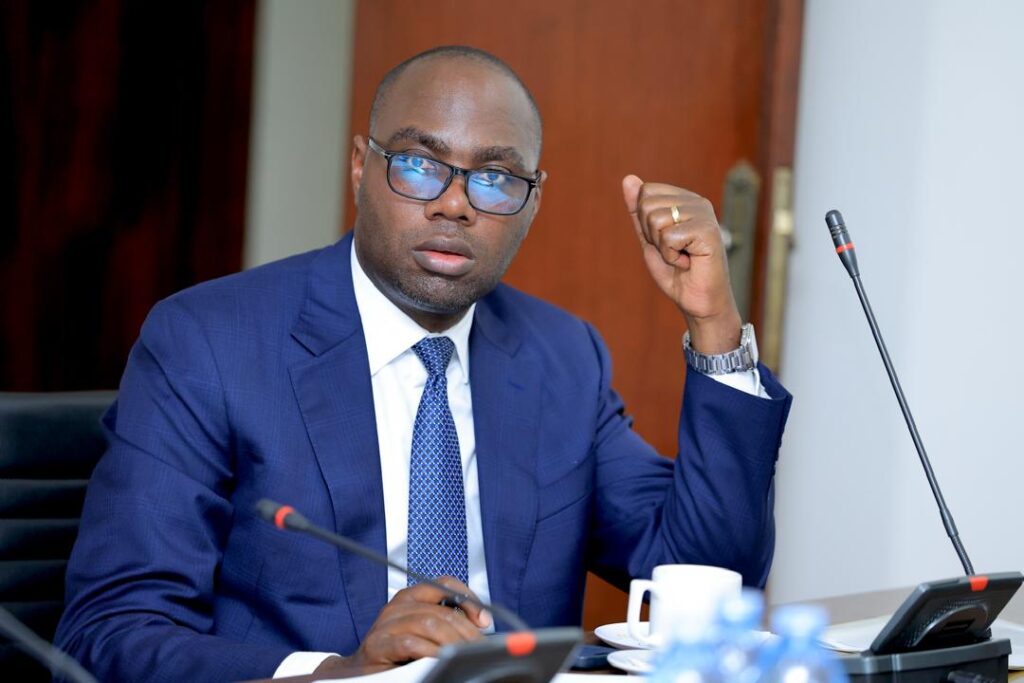
In his response, Musasizi explained that approximately Shs1 trillion from the financing had been spent on completing national road projects, while US$461 million had been directed towards meeting petroleum-related obligations.
The Minister explained that the facility was intended to support critical infrastructure and petroleum investments necessary for Uganda’s transition into an oil-producing country.
Musasizi also expressed optimism that Uganda would achieve its first oil production within the current financial year, describing the ongoing preparations as an important milestone in the country’s petroleum development programme.
He further informed the committee that government was engaging an international marketing firm to facilitate the sale of Uganda’s crude oil on the global market once production and shipments commence.
The planned marketing arrangement is expected to support the commercialisation of Uganda’s crude oil, which will be transported through the port of Tanga in Tanzania.
The committee engagement provided an opportunity for legislators to scrutinise the utilisation of the US$2 billion facility, particularly the expenditure on national roads, petroleum obligations and the country’s preparations for commercial oil production.
Kiconco’s contribution formed part of the wider parliamentary scrutiny of the financing arrangement, as MPs sought explanations on the deployment of borrowed resources and the expected returns from Uganda’s investments in the oil and gas sector.
The discussions come as government intensifies preparations for commercial oil production, with infrastructure development, petroleum financing and international crude oil marketing remaining important components of the country’s strategy to unlock its petroleum resource