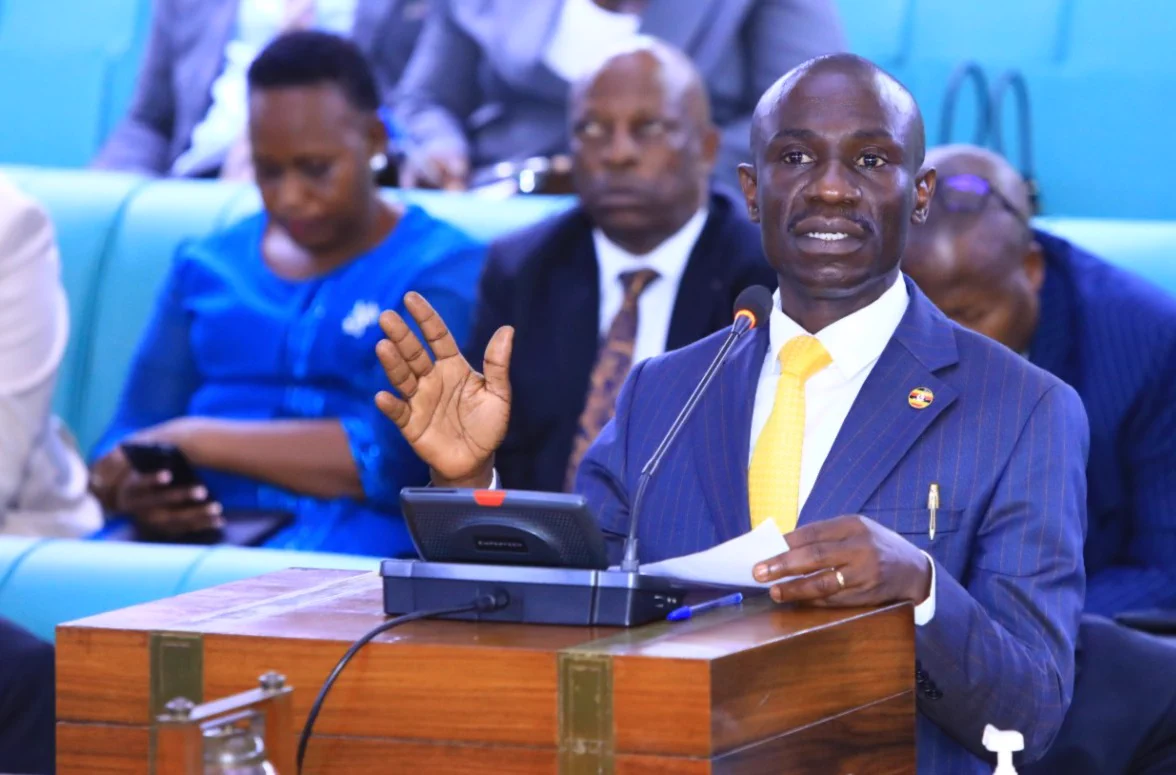
KAMPALA, UGANDA – Mwenge Central Member of Parliament Hon. Methusela Kasukali has warned that the government’s fertiliser distribution programme could fail to deliver its intended economic benefits to tea farmers in the Tooro Sub-region unless tea-processing factories are financially strengthened to purchase increased green leaf production.
Kasukali raised the concern while contributing to a parliamentary debate on a statement by the Minister of Finance regarding fertiliser distribution, highlighting the potential consequences of increasing agricultural production without addressing the financial challenges facing tea factories.
The legislator welcomed the government’s intervention in supplying fertiliser, particularly in Tooro, which he described as Uganda’s leading tea-producing region, noting that the initiative has the potential to improve productivity and increase farmers’ output.
However, he cautioned that higher production alone would not translate into improved household incomes if the factories responsible for purchasing green leaf remain financially constrained.
According to Kasukali, the application of fertiliser is expected to increase tea yields, meaning farmers will have more green leaf to sell. However, factories that purchase the produce must have sufficient working capital to absorb the increased supply and pay farmers promptly.
He warned that without adequate financing, farmers could end up producing more tea without finding reliable buyers capable of paying for their harvest, undermining the very purpose of the government’s fertiliser intervention.
Kasukali argued that the government must therefore address the financial challenges affecting tea factories alongside its agricultural productivity programme to ensure that increased production translates into tangible economic benefits for farmers.
He particularly appealed to the Uganda Revenue Authority (URA) to expedite the process of granting a tax waiver to the affected factories, arguing that reducing their tax burden would release resources that could help them meet their financial obligations to tea farmers.
The Mwenge Central MP further observed that the proposed intervention should not necessarily wait for the completion of the ongoing audit exercise, noting that the relevant records are already available with URA and could support efforts to accelerate the process.
He maintained that granting the waiver would provide factories with some financial relief, enabling them to redirect available resources towards purchasing green leaf and ensuring farmers receive payment for their produce.
Kasukali’s submission highlights the need for a coordinated approach to agricultural investment, where government support to farmers is matched with adequate financing for the businesses that purchase, process and add value to their produce.