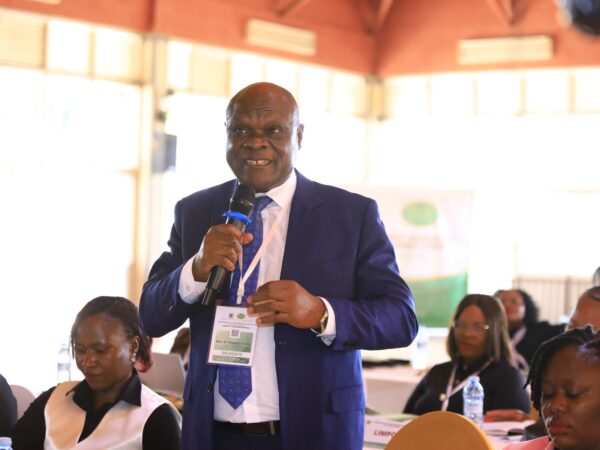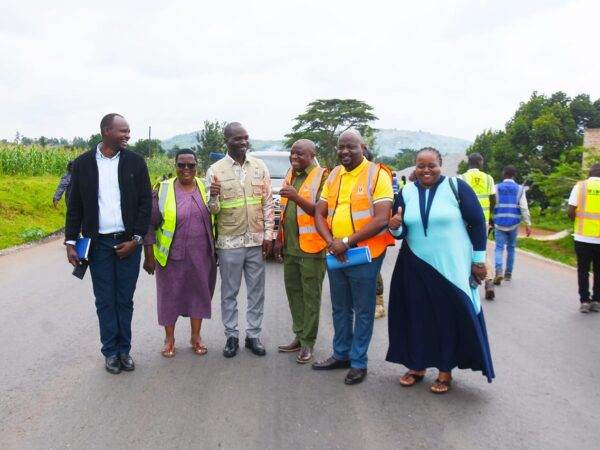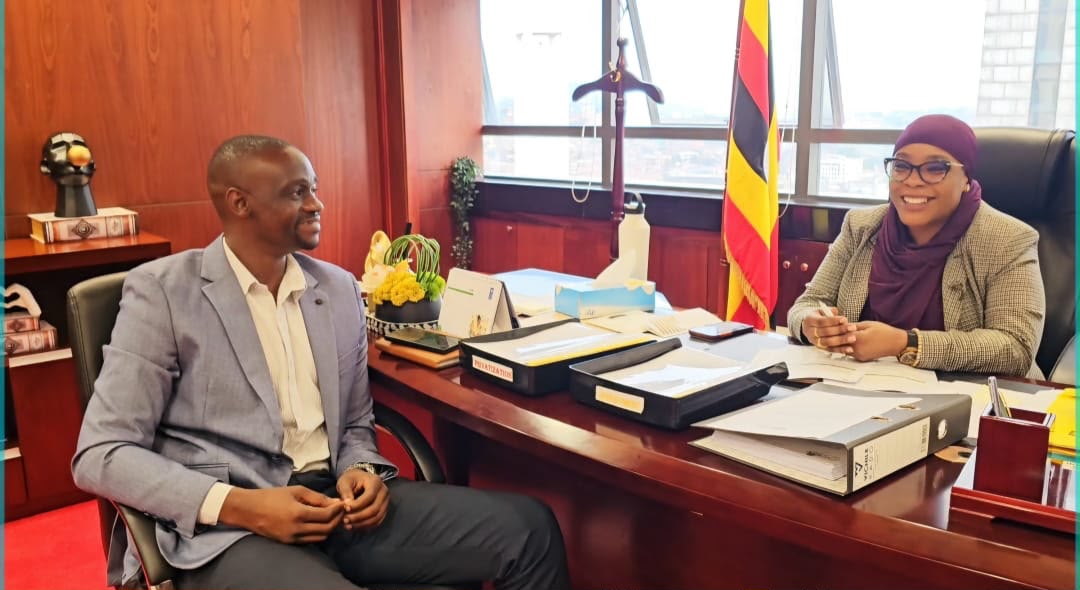
KAMPALA, UGANDA — The Member of Parliament for Fort Portal Central Division, Hon. Muhenda Ronald, has held a strategic engagement with the Minister of State for Investment and Privatisation, Hon. Hajjati Amina, to discuss the proposed establishment of the Tooro Industrial Park, with a focus on sustainable agriculture and agro-processing.
During the engagement, Hon. Muhenda presented his vision of positioning Tooro as one of Uganda’s major agricultural production and agro-industrial hubs through value addition to locally produced agricultural commodities.
He emphasised the need for Tooro to move beyond exporting raw agricultural products by establishing industries that can process locally produced materials, create employment opportunities, increase farmers’ incomes and promote sustainable economic development.
The proposed Tooro Industrial Park is expected to prioritise agro-processing and value addition in key agricultural products, including coffee, maize, dairy products and fruits.
The discussions also explored sustainable agricultural practices aimed at strengthening long-term productivity while ensuring environmental protection for future generations.
Hon. Muhenda further highlighted the importance of empowering young people and women through skills development, industrial training and employment opportunities that would emerge from the establishment of the proposed industrial park.
He also underscored the need to attract serious investors to Fort Portal Tourism City, noting that strategic investments in agro-industrialisation would help unlock the region’s economic potential and strengthen local value chains.
In response, Hon. Hajjati Amina welcomed the proposal and pledged her support, reaffirming the Ministry of Investment and Privatisation’s commitment to promoting agro-industrialisation as a key driver of Uganda’s economic transformation.
The proposed Tooro Industrial Park is envisioned as an important step towards strengthening the region’s agricultural economy, promoting local manufacturing, improving farmers’ incomes and creating sustainable employment opportunities while encouraging responsible environmental management.