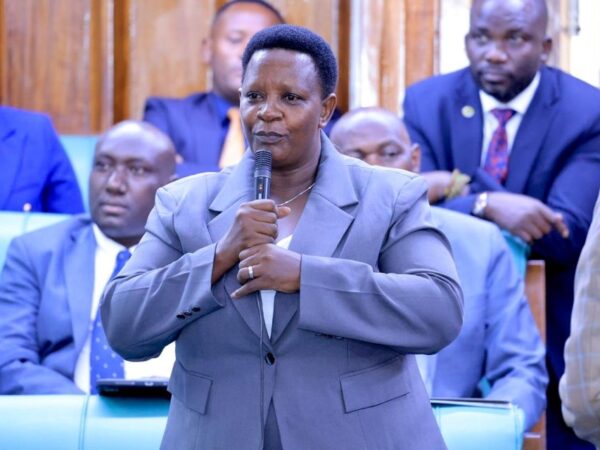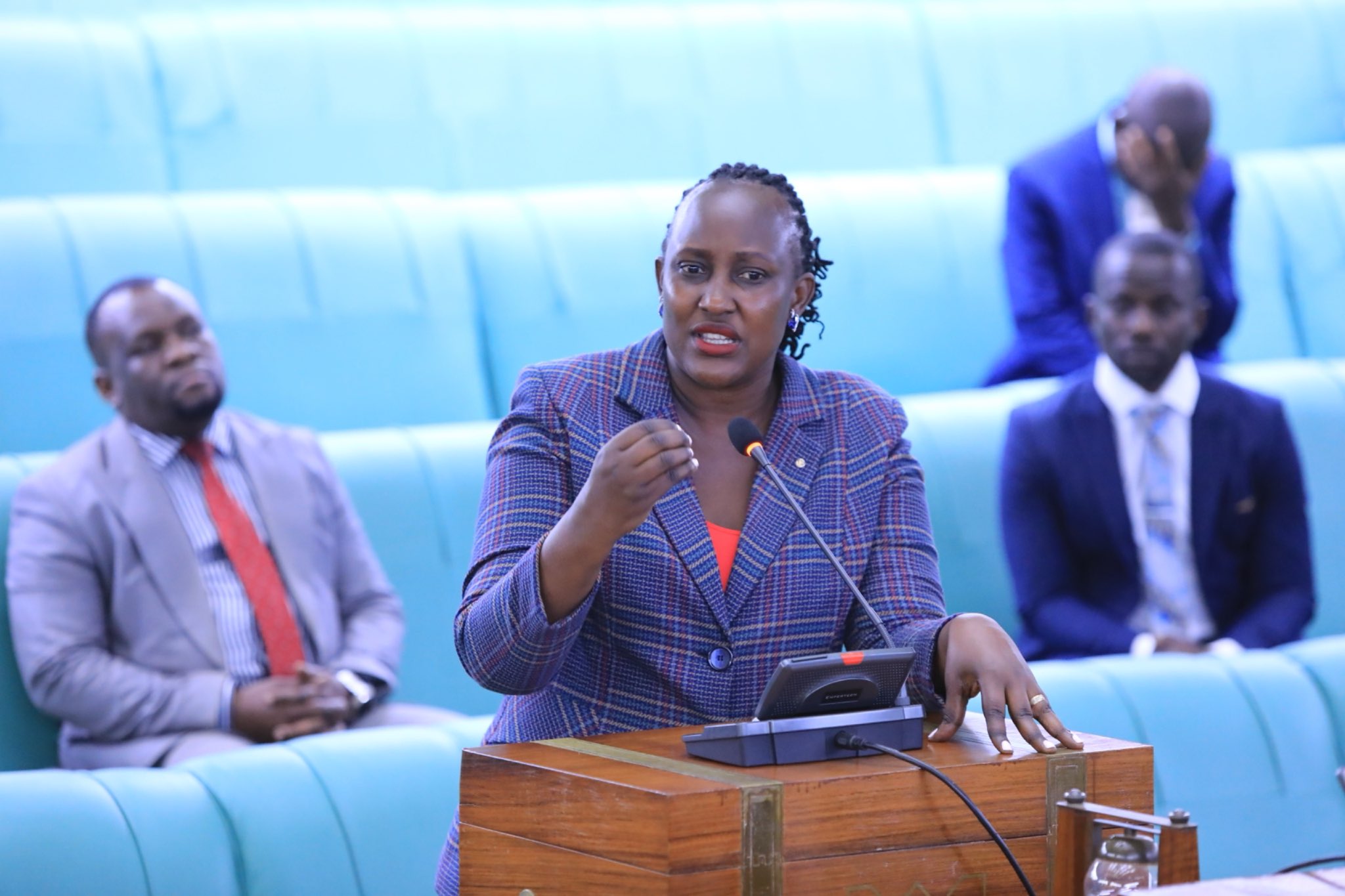
KAMPALA, UGANDA — Wakiso District Woman Member of Parliament Betty Ethel Naluyima has called on government to introduce strict guidelines prohibiting the filming, photographing and public identification of children during corruption investigations and inspection exercises, warning that such practices risk exposing minors to unnecessary public scrutiny.
Naluyima made the appeal on Wednesday, November 18, 2026, while contributing to Parliament’s debate on the fight against corruption, where she emphasised the need to protect children’s dignity, privacy and welfare even as government strengthens efforts to hold public officials accountable.
The legislator expressed concern over the widespread media attention given to a child who reportedly struggled to express herself in English during an inspection exercise, saying the incident raised serious questions about the protection of children involved in government accountability processes.
“It was so disturbing when we saw one of our children, she couldn’t express herself so well as far as English is concerned, but she’s all over the media in this country,” Naluyima said.
She argued that children should not become subjects of public exposure because of investigations or inspections targeting suspected corruption and mismanagement of public resources.
According to Naluyima, while exposing wrongdoing and demanding accountability from public officials remain important, the process must be conducted in a manner that safeguards the rights and dignity of children who may be caught up in such exercises.
She specifically urged the Ministry of Local Government and the Ministry of Gender, Labour and Social Development to jointly develop and issue clear written guidelines governing how children should be handled during inspection exercises.
The proposed guidelines, she said, should prohibit the filming and identification of children, ensuring that their participation or presence during accountability activities does not expose them to unnecessary publicity.
Naluyima’s appeal adds a child-protection dimension to Parliament’s anti-corruption debate, highlighting the need for government institutions and those conducting inspections to balance public accountability with the protection of vulnerable members of society.