KAMPALA — A Makerere University lecturer who helped transcribe audio and video recordings being relied upon in the treason trial of veteran opposition politician Dr Kizza Besigye and his co-accused has faced difficulties explaining how the written transcripts correspond to the original recordings.
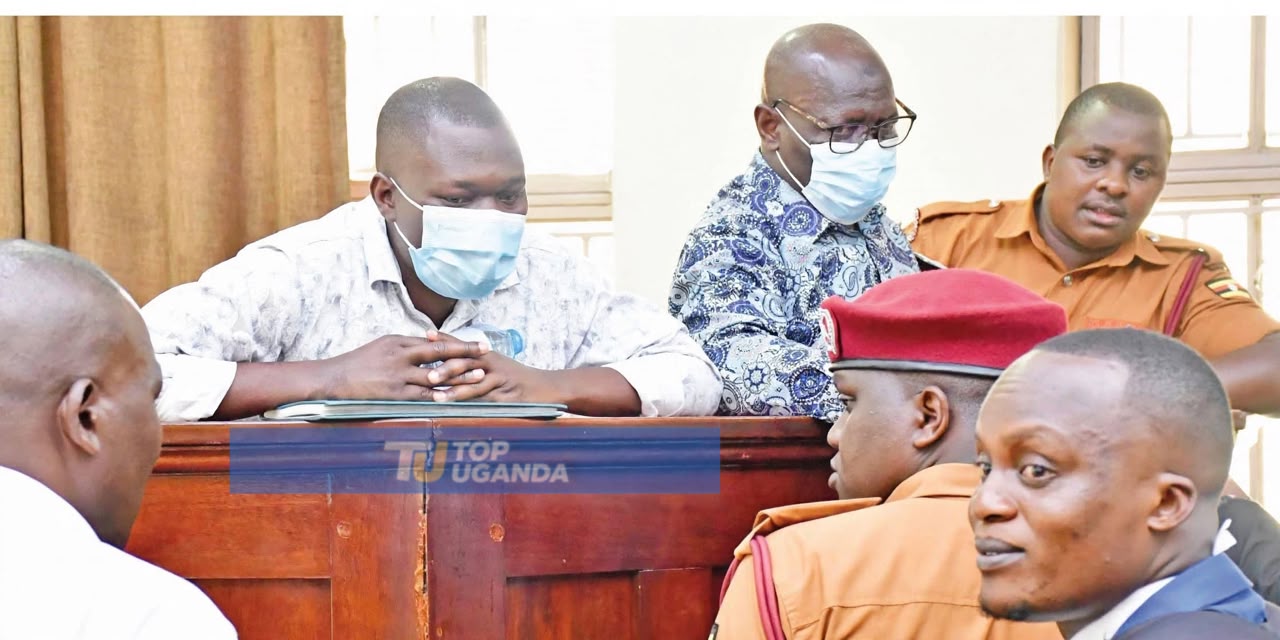
Dr Medadi Erisa Ssentanda, a senior lecturer in Makerere University’s Department of African Languages and coordinator of the Centre for Languages and Communication Services, appeared before the High Court in Kampala on Monday as the second prosecution witness in the case.
Ssentanda told Justice Emmanuel Baguma that his team worked on more than 20 hours of audiovisual material allegedly recorded during meetings in Athens, Geneva and Nairobi. The prosecution says the recordings capture discussions linked to an alleged plan to overthrow the Ugandan government by force.
However, the witness acknowledged that some sections of the recordings were difficult or impossible to hear. He explained that the transcribers did not attempt to guess or fill in unclear portions, instead marking such sections as “indistinct” where the words could not be confidently established.
The testimony also exposed difficulties in demonstrating exactly where particular statements contained in the written transcripts appeared in the original recordings. Ssentanda acknowledged that the transcripts did not contain precise time stamps showing when specific statements were made.
Justice Baguma therefore directed that the audiovisual recordings should first be played in court, after which Ssentanda would identify the corresponding sections in the transcription report. The approach was intended to allow the court to directly compare what was heard in the recordings with what was written in the transcripts.
The development came after lawyers representing Besigye’s co-accused, Obeid Lutale, withdrew an earlier objection to the admission of the prosecution’s transcription reports. The defence had previously questioned the authenticity and handling of the electronic material, including the chain of custody of the recordings taken to Makerere University.
The prosecution alleges that the recordings capture meetings involving Besigye, Lutale, UPDF Captain Denis Oola and others in which plans to overthrow the government were allegedly discussed. The accused have denied the allegations, and the defence is expected to cross-examine Ssentanda on the transcription process, the accuracy of the reports and the difficulties caused by unclear portions of the recordings.