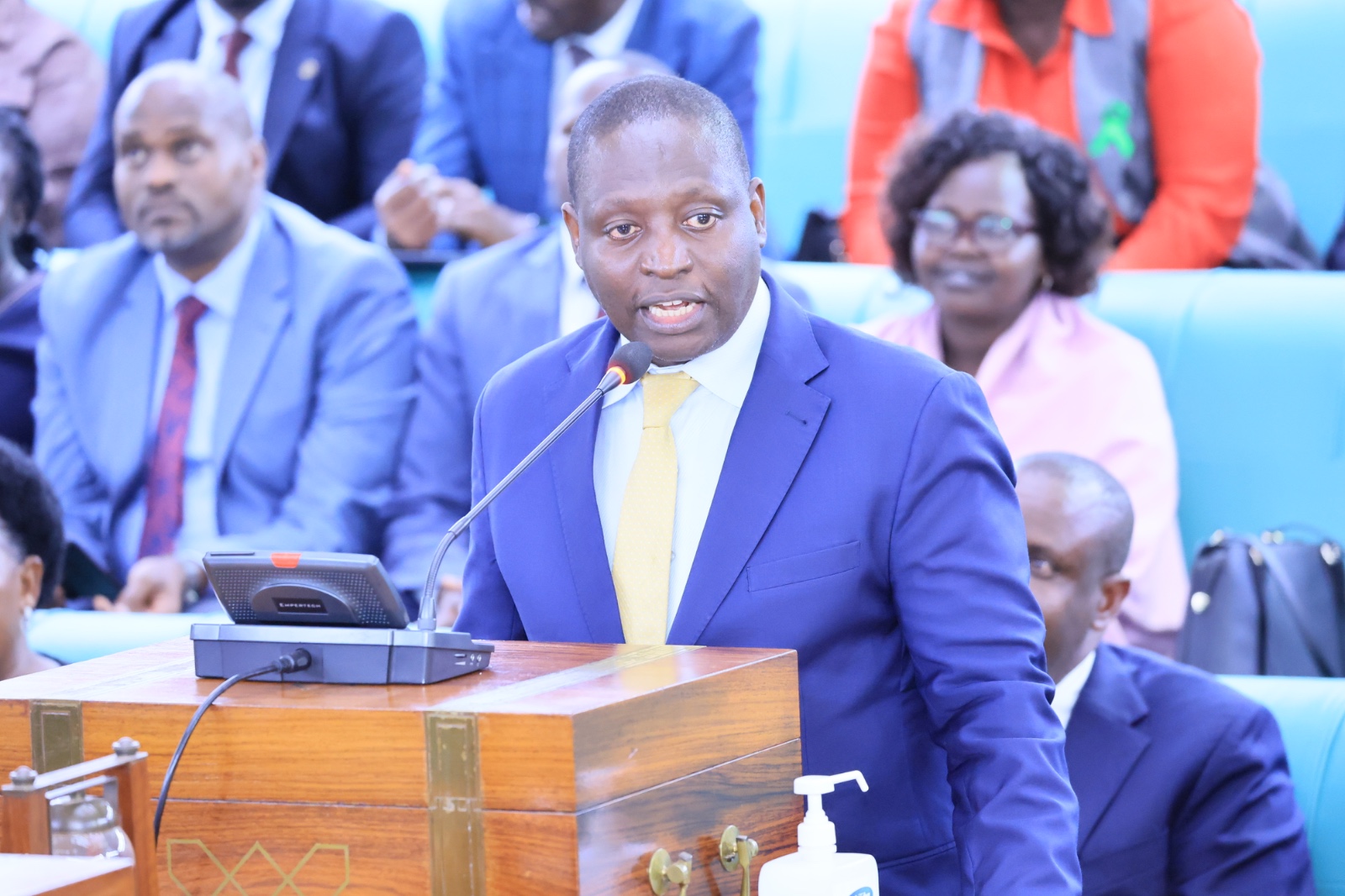
KAMPALA, UGANDA – The State Minister for Industry, Hon. David Bahati, has explained the factors contributing to rising prices of building materials, including cement and iron bars, following concerns raised by Hon. Kisule over increased costs charged by manufacturers.
Appearing before Parliament, Bahati responded to concerns about a reported 15 per cent increase in prices, particularly affecting construction materials. He explained that the cost of producing iron bars was influenced by the prices of raw materials and other inputs required in the manufacturing process.
Bahati told Parliament that iron bars were produced through the processing of iron ore and other industrial materials, with coal playing a key role as a reducing agent in the manufacturing process. He noted that the coal used by some manufacturers was imported from Tanzania, making production costs vulnerable to developments in regional and international markets.
Explaining the extent of the cost increases, the minister pointed out that the price of coal had risen significantly, moving from approximately US$75 six months earlier to about US$240 at the time of his presentation. He said the increase had placed additional pressure on manufacturers and contributed to the rising cost of locally produced building materials.
Bahati also referred to remarks made by the Minister of Finance approximately two weeks earlier, which highlighted external economic pressures affecting Uganda’s economy. Among the factors he mentioned were fluctuations in fuel prices and the ongoing conflicts involving Iran and Ukraine, which had affected international supply chains and production costs.
He acknowledged that these challenges continued to affect manufacturers but maintained that the government was engaging with relevant stakeholders to address the situation. He added that manufacturers were making efforts to keep prices within manageable ranges despite the increasing costs of production and other external pressures.
The minister’s explanation highlighted the connection between international commodity prices, imported industrial inputs and the cost of locally manufactured products. His remarks also brought attention to the challenges facing Uganda’s manufacturing sector as businesses attempt to maintain production while responding to changing global economic conditions