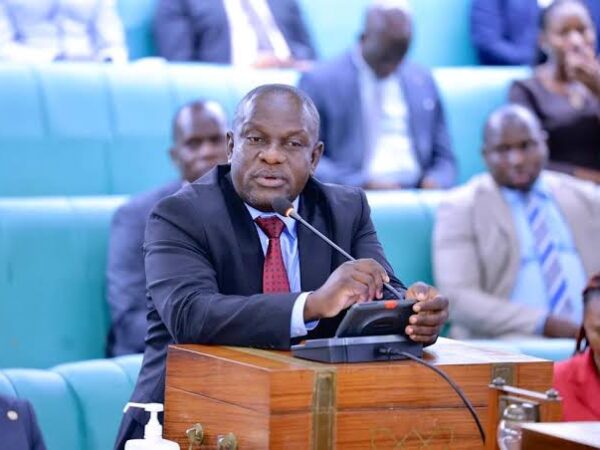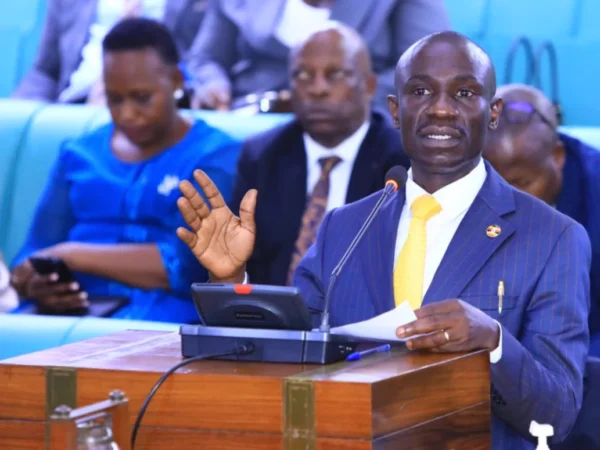
KAMPALA, UGANDA — Jinja South East Member of Parliament, Hon. Paul Mwiru, has raised concerns over the government’s increasing reliance on domestic borrowing, questioning its implications for the cost of capital, private-sector investment and local production.
Mwiru made the remarks while presenting his submission before Parliament’s Budget Committee, where he challenged policymakers to consider measures that could address the growing dependence on borrowing from the domestic financial market.
The legislator questioned what measures government should undertake to reduce the pressure associated with domestic borrowing, particularly as the country continues to rely on local financial institutions to finance its expenditure requirements.
He observed that increased domestic borrowing could make capital more expensive, potentially affecting access to affordable financing for businesses and other economic actors that depend on credit to sustain their operations.
Mwiru further questioned whether there was a need to establish a borrowing cap to regulate the amount government obtains from the domestic market and safeguard the availability of credit for other borrowers.
He also raised concerns about the possible consequences of increased borrowing on the local financial market, particularly in relation to the cost of accessing funds and the broader economic environment.
The MP cautioned that rising production costs could place additional pressure on businesses and productive enterprises, potentially discouraging investment and affecting economic activity.
His submission highlighted the importance of balancing government’s domestic financing needs with the need to maintain affordable access to capital for businesses, investors and other participants in the economy.
Mwiru’s concerns put the spotlight on the relationship between domestic borrowing, the cost of capital and productive investment as the Budget Committee considers issues surrounding government financing and the country’s economic priorities.