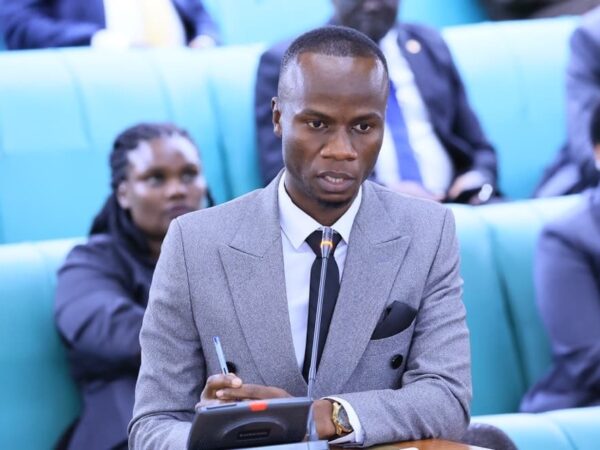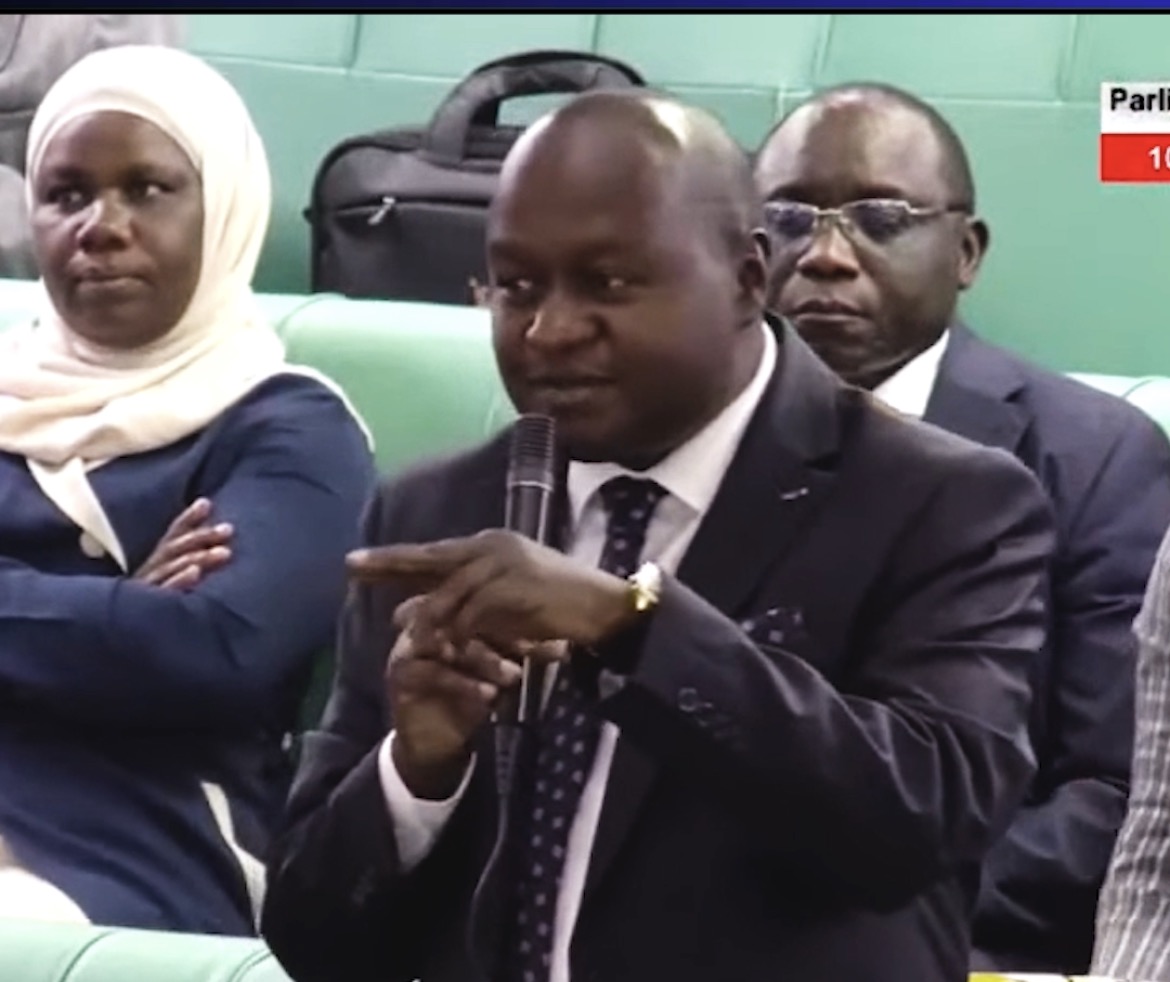
KAMPALA – Budadiri East Member of Parliament Hon. Eng. Julius Nakiyi has raised concerns over the ownership of assets linked to Dei Bio-Pharm, calling on Government to clarify whether the properties being advertised belong to Dei Bio-Pharm or a separate entity known as Dai International Industries Limited.
While presenting his submission before Parliament on Tuesday, November 10, 2026, Nakiyi questioned an advertisement which referred to Dai International Industries Limited, yet the photographs and assets displayed appeared to be those belonging to Dei Bio-Pharm.
He explained that the two companies were separate legal entities, warning that Government could have intended to acquire assets associated with Dei Bio-Pharm while the actual ownership documents placed them under Dai International Industries Limited.
Nakiyi said the distinction was important because the two entities appeared to have been established as special purpose vehicles for raising capital, making it necessary for Government to establish where the actual assets were registered before proceeding with any transaction.
He cautioned that the situation could expose Government to the risk of paying for an investment without acquiring ownership of the physical assets associated with it.
To illustrate his concerns, Nakiyi cited the Crane Bank acquisition, arguing that the distinction between the bank’s operations and the ownership of its physical assets had raised questions about what was actually acquired. He warned that Government needed to conduct thorough checks to avoid a similar situation with Dei Bio-Pharm.
The legislator also called for a fresh valuation of the company to establish its actual worth and determine whether the assets in question were acquired before or after Government committed funds to the investment.
He further questioned what safeguards Government had put in place if the assets were acquired after its investment, stressing that the timing of such acquisitions was important in determining whether public funds had been adequately protected.
Turning to the Marriott Hotel investment, Nakiyi questioned the protection of Government’s interests following its reported Shs724 billion investment, arguing that the shareholding arrangement appeared to leave Government with limited control over the company’s decisions.
He cited the National Social Security Fund (NSSF) as an example of how minority shareholders could negotiate strong protections despite holding a smaller stake in a company.
According to Nakiyi, NSSF acquired a 30 per cent shareholding in Marriott Hotel but negotiated safeguards that gave it two representatives on the company’s five-member board, translating into 40 per cent board representation.
He explained that NSSF also secured a shareholder agreement and amendments to the company’s Memorandum and Articles of Association, requiring at least 75 per cent shareholder approval for major decisions.
Under that arrangement, Nakiyi noted, NSSF’s support would be necessary for decisions to reach the required approval threshold, given the 70-30 shareholding structure.
He added that the Fund had also secured protection against changes to the hotel’s management without its involvement, ensuring that its interests were considered in major operational decisions.
However, Nakiyi questioned whether Government had negotiated similar protections when committing Shs724 billion to the Marriott Hotel investment.
He warned that, according to the figures he presented, private investors held 90.6 per cent of the shares while Government retained only 9.4 per cent, a position he said could allow the majority shareholders to make major decisions without Government’s involvement.
Nakiyi called on Government to explain the shareholder protections attached to its investment, arguing that committing public funds to private ventures should be accompanied by clear ownership arrangements, proper valuation and enforceable safeguards to protect the country’s interests.