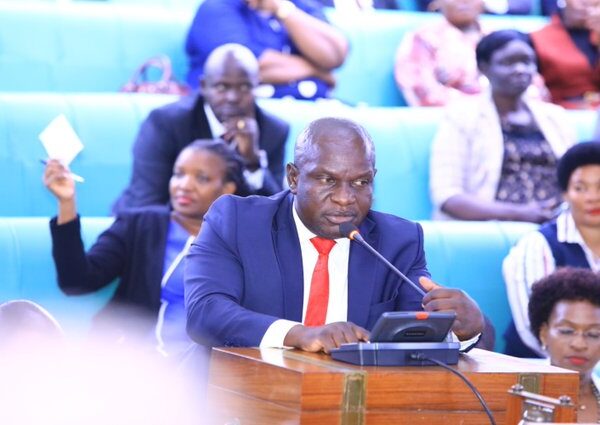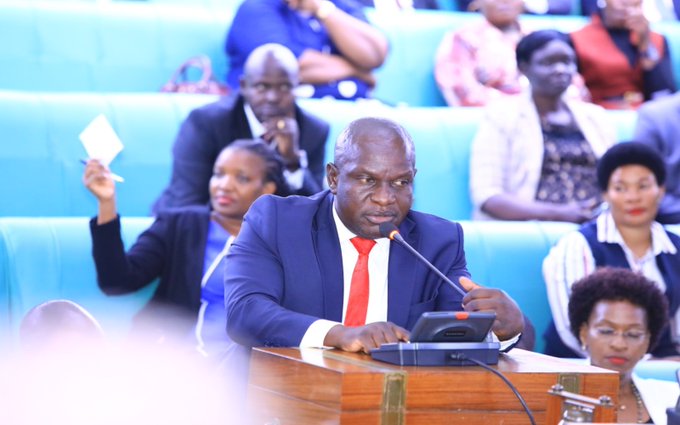
KAMPALA, UGANDA — The Opposition Chief Whip in the Parliament of Uganda, Hon. Paul Mwiru, has raised concerns over alleged discrimination in the importation of chicks into the country, calling on the government to explain why some individuals or businesses are allowed to import the birds while others face restrictions.
Mwiru raised the concern while speaking on the floor of Parliament, questioning the criteria used to determine who qualifies to import chicks into Uganda.
The legislator argued that selective importation raises questions about fairness and equal treatment among businesses operating in the poultry sector, urging the government to clarify the policies guiding the process.
He called for transparency in the administration of import regulations, saying the government needs to explain why access to chick imports appears to favour certain players over others.
His concerns come amid economic challenges affecting businesses and households across the country, with the poultry industry remaining an important source of employment, income and food for many Ugandans.
The poultry sector supports farmers and businesses involved in chicken rearing, egg production, animal feeds and the distribution of poultry products. Any restrictions affecting access to chicks could therefore have implications for production and the livelihoods of those who depend on the industry.
Mwiru called on the government to explain whether the restrictions are based on established policies, veterinary requirements, biosecurity measures or other considerations, emphasising the importance of making such decisions clear to affected stakeholders.
He further highlighted the need for import policies to be implemented fairly and consistently to prevent some businesses from enjoying advantages over competitors without a clear justification.
The concerns put the spotlight on the government’s responsibility to balance the regulation of agricultural imports with the interests of poultry farmers and businesses.
Mwiru’s call for clarification adds to the debate on transparency and accountability in the management of agricultural imports, with stakeholders seeking clear guidelines that promote fairness and support the country’s poultry industry.