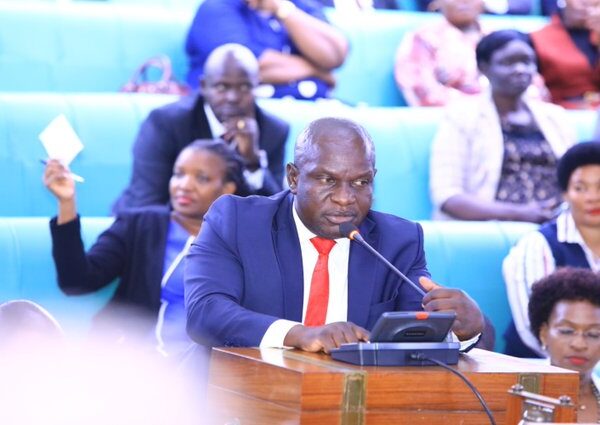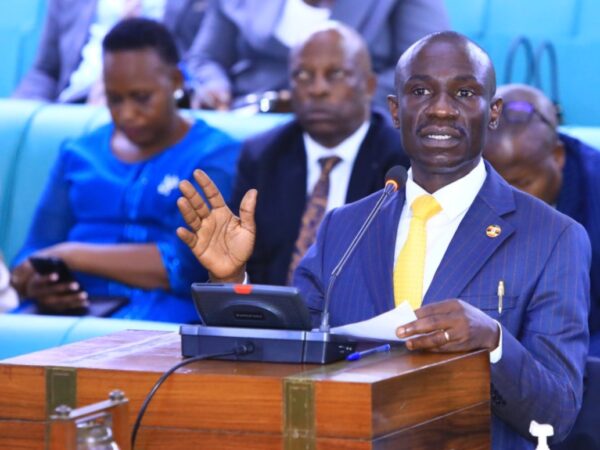
KAMPALA, UGANDA — Budadiri East Member of Parliament Nakiiyi Julius has questioned the Bank of Uganda over Shs219 billion reportedly remaining unrecovered following the closure of Crane Bank and the subsequent sale of its assets to dfcu Bank.
Speaking during a session of Parliament’s Committee on Statutory Authorities and State Enterprises (COSASE), Nakiiyi sought clarification from the central bank on the outstanding amount and the circumstances under which the money was paid and later remained unrecovered.
According to Nakiiyi, the Shs219 billion originated from arrangements made during the closure of Crane Bank, when the Bank of Uganda reportedly paid Shs430 billion on behalf of the defunct financial institution.
He explained that the payment was made on the understanding that the money would be recovered during the sale of Crane Bank’s assets to dfcu Bank.
Nakiiyi argued that Crane Bank was expected to settle its creditors, but the anticipated recovery was not fully realised, leaving a substantial balance outstanding.
He questioned why the unrecovered funds had not been recovered and called for accountability over the handling of the money, which he described as taxpayers’ funds.
The legislator further raised concerns about the implications of the outstanding amount, particularly regarding the public interest in recovering funds spent during the resolution of the defunct bank.
Nakiiyi maintained that the outstanding balance required a clear explanation, particularly because the central bank had intervened in the affairs of the defunct lender using funds intended to protect creditors and stabilise the banking system.
His submission came as COSASE examined the Bank of Uganda’s financial records and sought to establish the status of the outstanding receivables, the parties responsible for repayment and the measures available to recover the money.
The committee’s scrutiny is expected to establish why the funds remain outstanding, what steps have been taken to recover them and whether additional measures are necessary to protect public resources.
The matter raises broader questions about accountability in the resolution of failed financial institutions and the responsibility of relevant parties to ensure that public funds committed during such interventions are properly accounted for and recovered where possible.