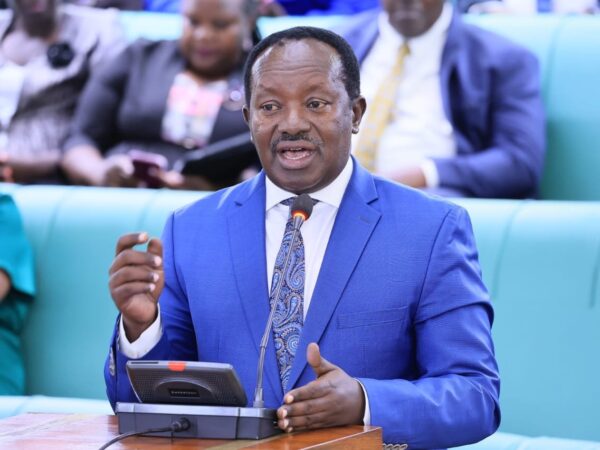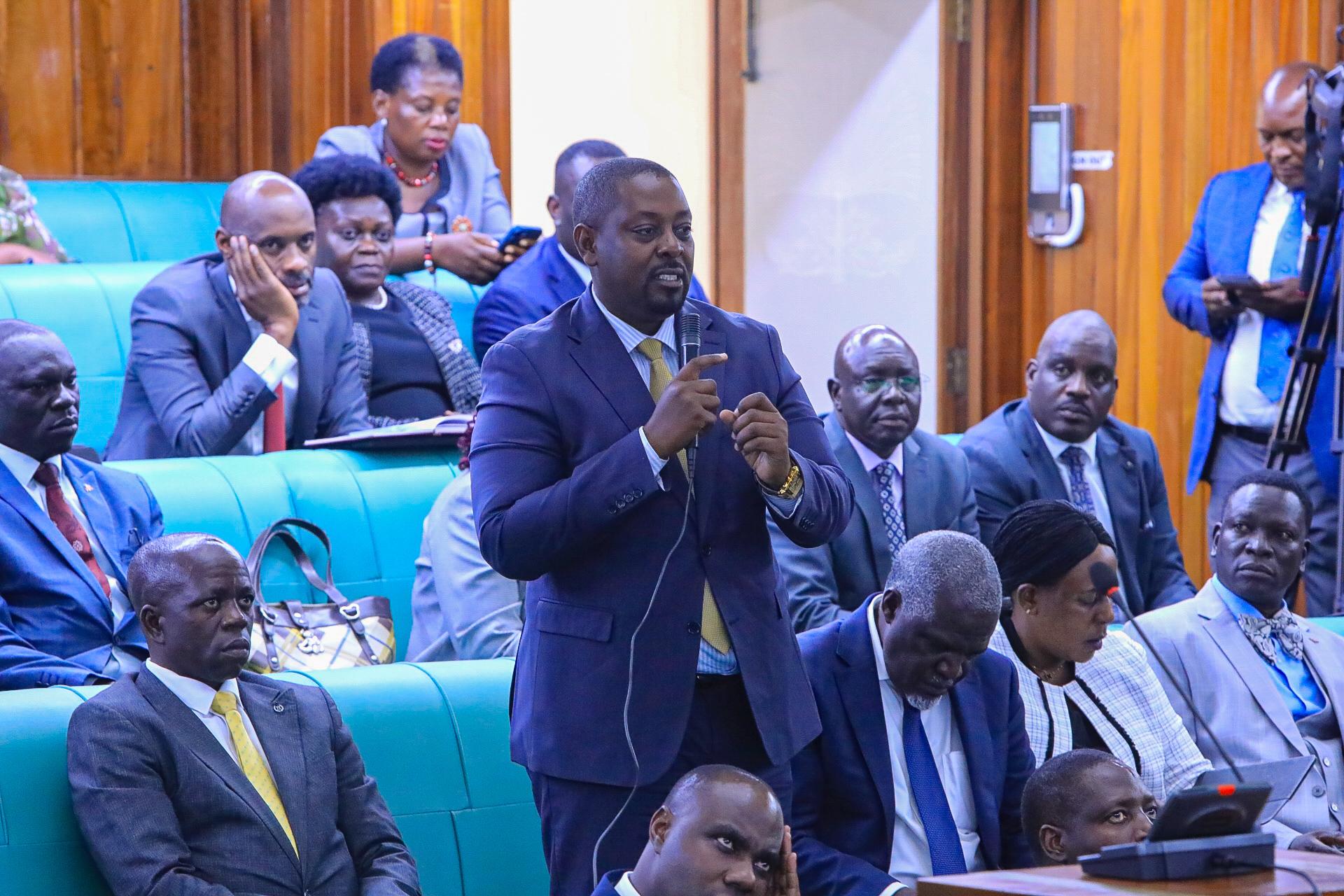
KAMPALA — Kazo County Member of Parliament Dan Kimosho has questioned the frequent absence of government ministers from parliamentary proceedings, calling for a coordinated attendance schedule to ensure ministers are available to respond to legislators’ concerns.
Kimosho raised the concerns during parliamentary proceedings on Tuesday, October 13, 2026, questioning why the government, which he rhetorically put at 82 ministers, could not establish a formal roster to ensure their regular presence in Parliament and improve accountability to elected representatives.
“We have 82 ministers of this government, rhetorically speaking. Why can’t they have a roster?” Kimosho asked, expressing concern over what he described as a persistent gap in communication between ministers and Members of Parliament.
He argued that the absence of ministers leaves MPs struggling to obtain direct responses from the officials responsible for particular ministries, departments and government programmes.
According to Kimosho, the situation has placed an excessive burden on Government Chief Whip Jane Ruth Aceng, who is often left addressing concerns across different sectors, even when the matters require explanations from the relevant ministers.
He criticised the arrangement in which the Chief Whip is expected to relay MPs’ complaints and questions to ministers who are not present to respond to them directly.
“The chief whip has become a messenger to the ministers,” he said.
Kimosho’s remarks highlighted concerns about ministerial accountability and the effectiveness of parliamentary oversight, particularly when legislators need clarification on government policies, service delivery and the implementation of public programmes.
He argued that a structured ministerial attendance roster would help ensure that ministers are available when required, allowing MPs to engage directly with the officials responsible for the issues under discussion.
His concerns also raised questions about coordination between the government and Parliament, as well as the need for ministers to take a more active role in responding to legislators’ queries.
Regular ministerial attendance, he argued, would enable Parliament to obtain timely explanations, strengthen scrutiny of government business and improve communication between the Executive and the Legislature.
His remarks underscored the importance of ensuring that ministers remain accessible to Parliament as part of their responsibility to account for government decisions and performance.