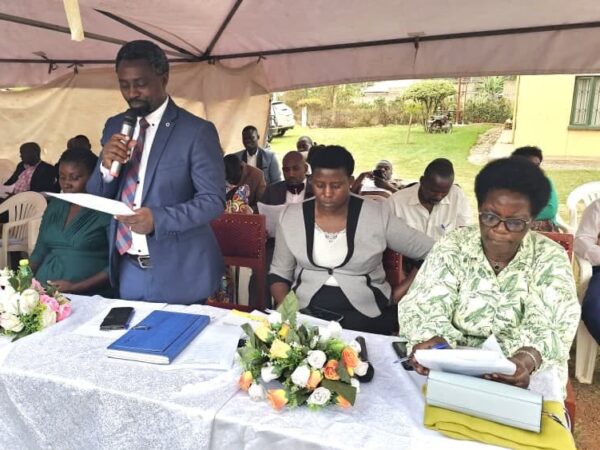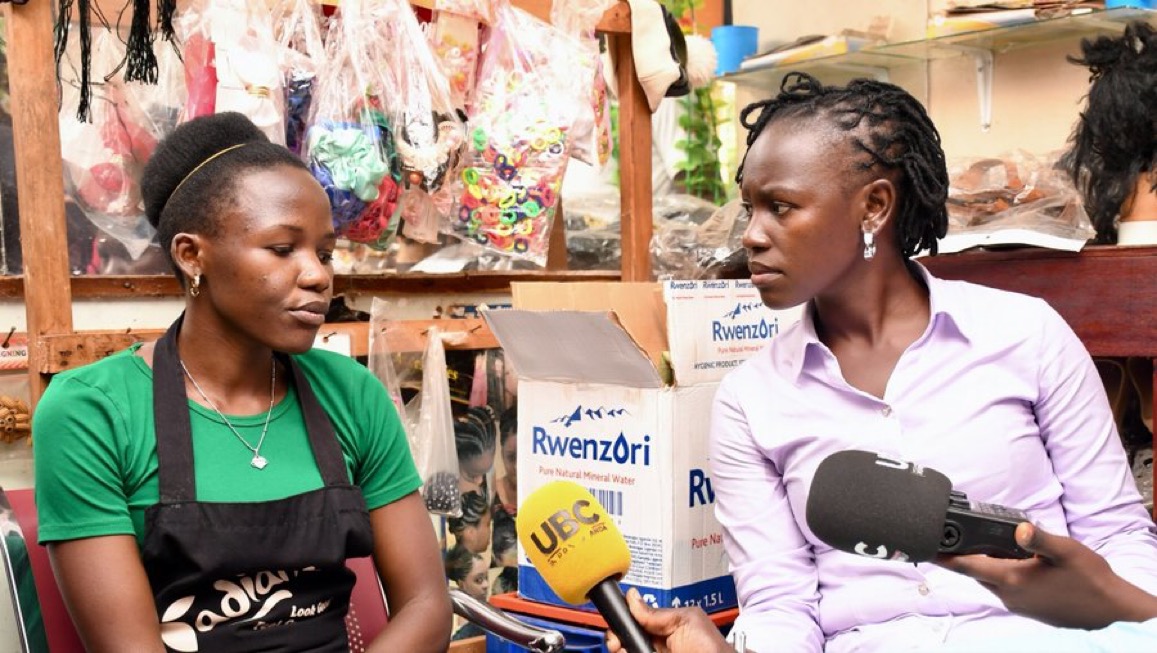
NAKASONGOLA – Minister of State for Youth and Children Affairs and Alebtong District Woman MP, Dr. Mercy Faith Lakisa, has called for tighter supervision and stronger accountability in government programmes after a field monitoring exercise in Nakasongola District exposed major challenges affecting the Youth Livelihood Programme (YLP), including low recovery rates of revolving funds, climate-related agricultural disruptions and limited market access.
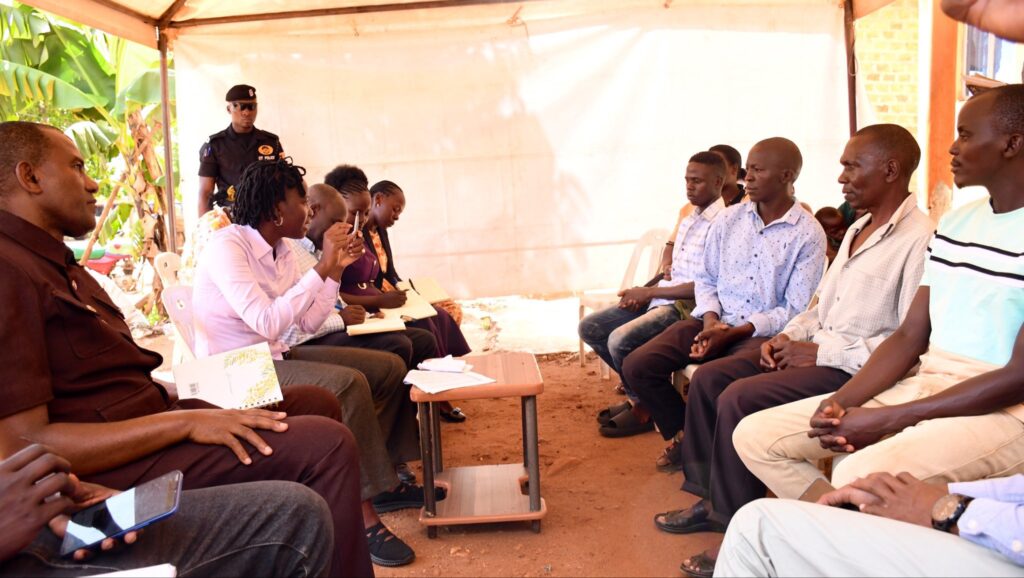
Dr. Lakisa, who is spearheading efforts to strengthen the monitoring of government interventions, said the assessment had identified critical bottlenecks that could undermine the programme’s ability to empower young people and improve their economic livelihoods.
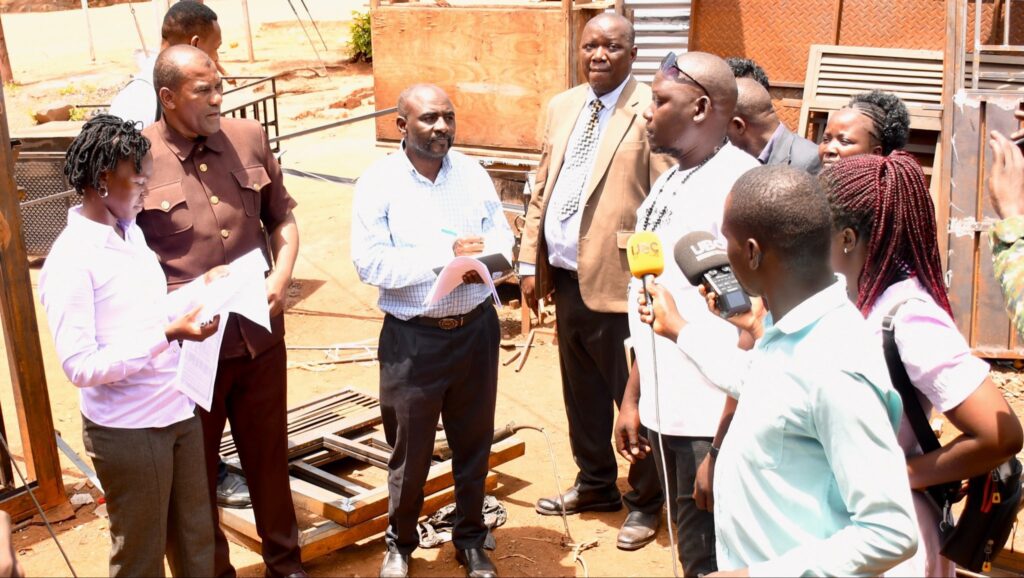
Among the major concerns identified were low recovery rates of revolving funds, climate-related disruptions affecting agricultural activities, limited access to markets and inadequate financial literacy among beneficiary groups. These challenges threaten the sustainability of youth enterprises and the effective use of government resources intended to support community development.
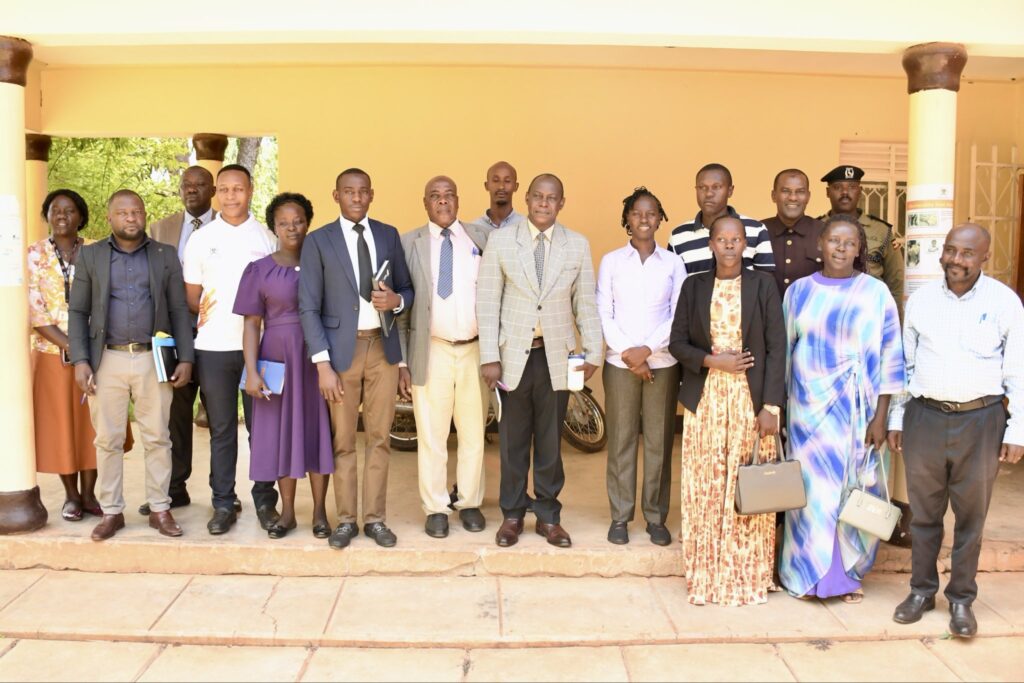
The minister emphasised the need to address these weaknesses through stronger supervision, consistent follow-up and practical recovery plans to ensure that funds allocated to beneficiaries achieve their intended purpose. She stressed that government programmes must be assessed not merely by the money disbursed but by the tangible results they deliver to the people.
Dr. Lakisa directed the technical team responsible for monitoring the programme to enforce stricter supervision and strengthen follow-up mechanisms, particularly in areas where beneficiaries and implementing officers face challenges in managing and recovering the revolving funds.
She also warned that public funds must be managed with the highest level of accountability, stressing that negligence by officers responsible for implementing government programmes would attract firm administrative action. Her position highlights the importance of ensuring that resources earmarked for youth empowerment are properly managed and produce measurable benefits.
The minister further pointed to climate-related agricultural challenges and limited market access as issues requiring practical interventions. For young people engaged in farming and other income-generating activities, unpredictable weather and difficulties accessing reliable markets can affect production, profits and the ability to repay funds received under government support programmes.
Dr. Lakisa’s monitoring exercise forms part of broader efforts to assess whether government interventions are achieving their intended objectives at the grassroots level. By identifying implementation gaps and demanding corrective action, the exercise seeks to strengthen the management of public resources, improve the sustainability of youth enterprises and ensure that beneficiaries receive meaningful support.
She reaffirmed the government’s commitment to safeguarding public resources, strengthening youth-led businesses and ensuring that development programmes contribute to genuine socio-economic transformation. The findings in Nakasongola underline the need for continuous monitoring, responsible fund management, improved financial literacy and better support systems to help beneficiaries build sustainable enterprises and create economic opportunities.