KAMPALA, Uganda — Rubanda District Woman Member of Parliament Evelyne Ninsiima Kikafunda has called for greater community participation in environmental conservation, emphasising the critical role of women, youth, persons with disabilities (PWDs) and indigenous people in restoring degraded ecosystems and addressing climate change.
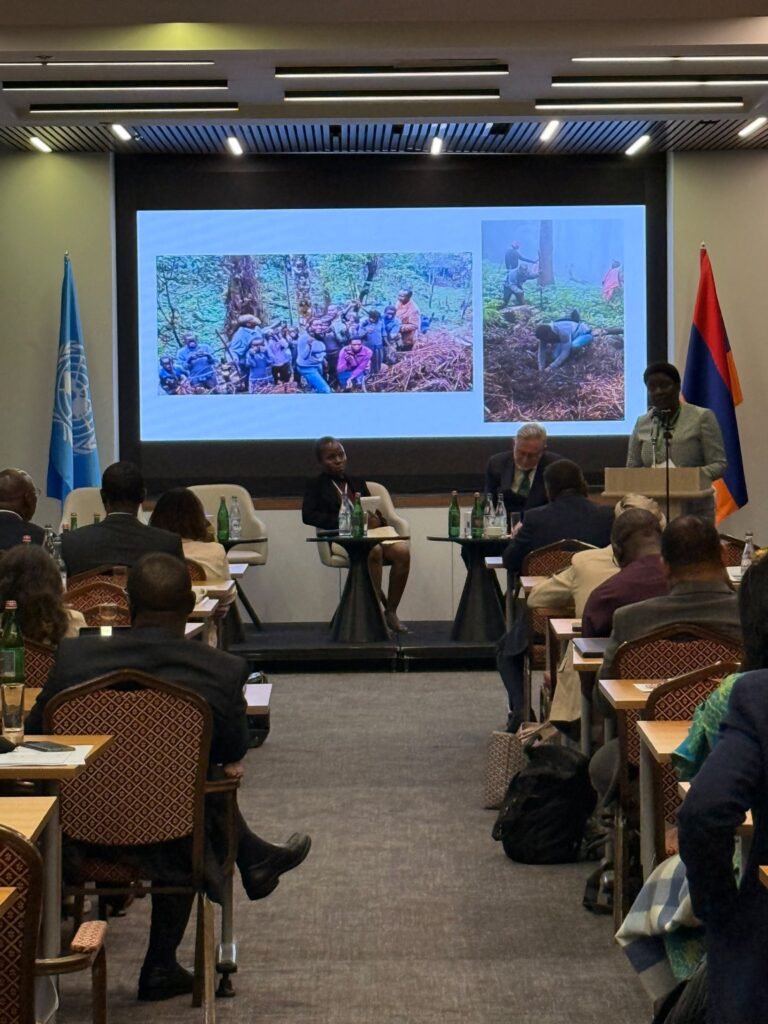
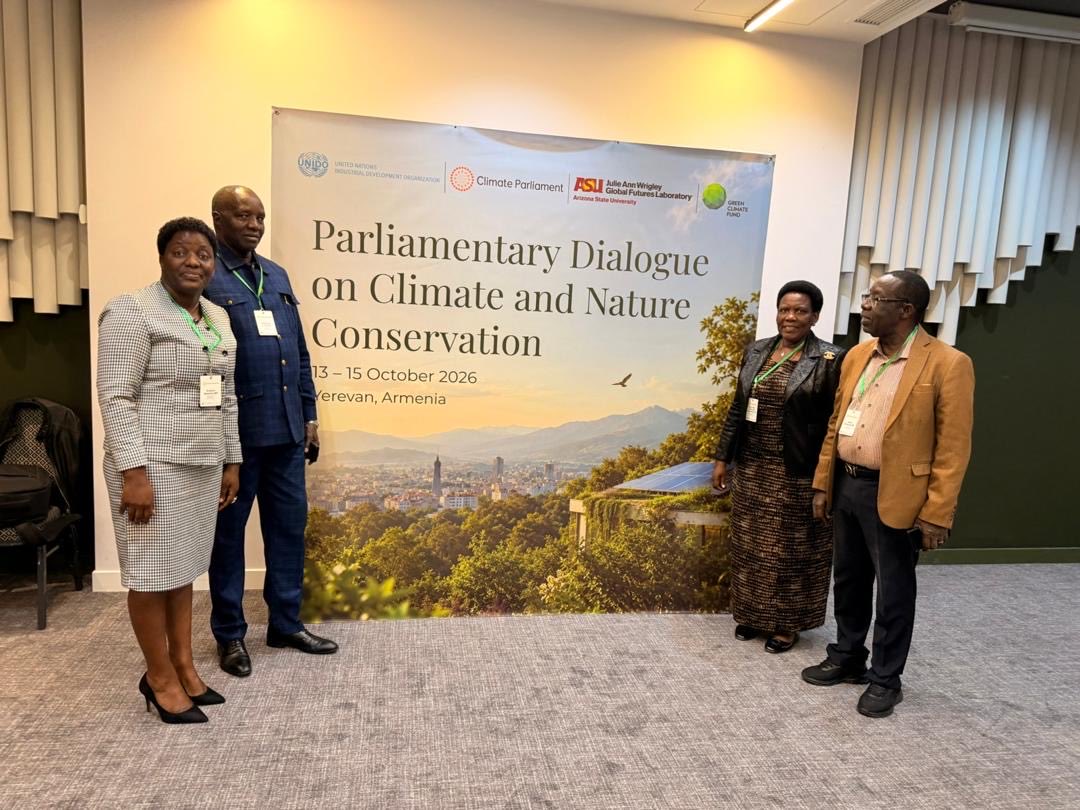
Ninsiima made the remarks while participating in a panel discussion on the restoration of degraded ecosystems during the Parliamentary Dialogue on Conservation and Nature, held ahead of the 17th Conference of the Parties (COP17) in Yerevan, Armenia.
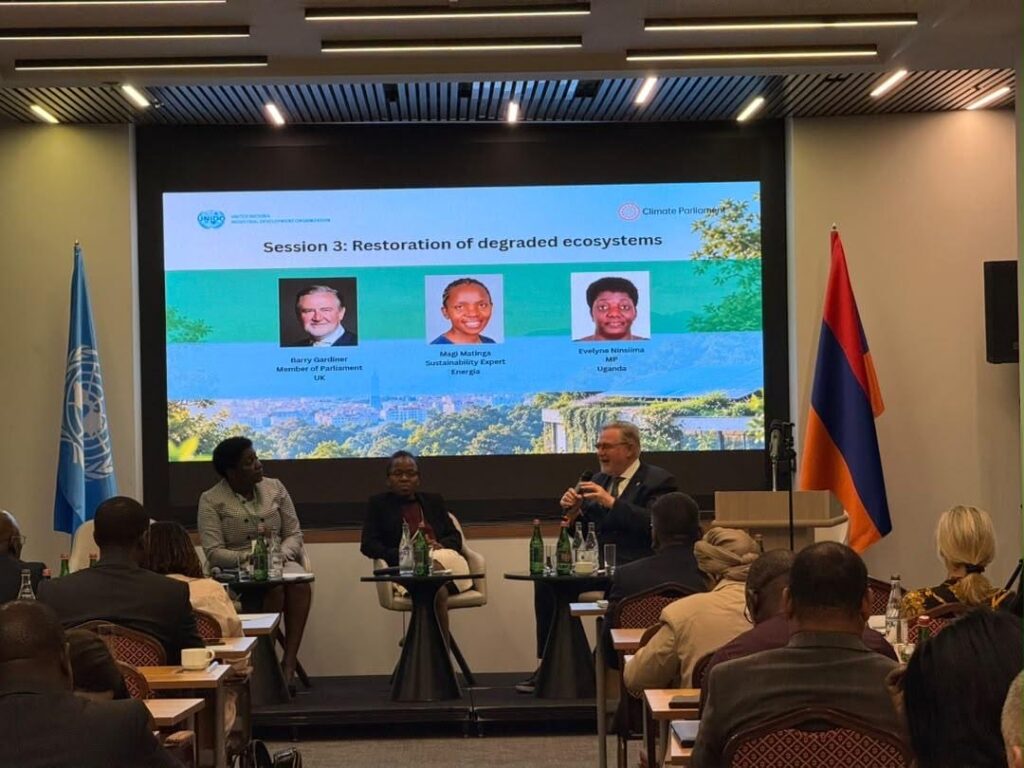
During the discussion, the legislator shared insights on the importance of involving local communities in environmental protection initiatives, noting that sustainable conservation efforts required the active participation of people directly affected by environmental degradation.
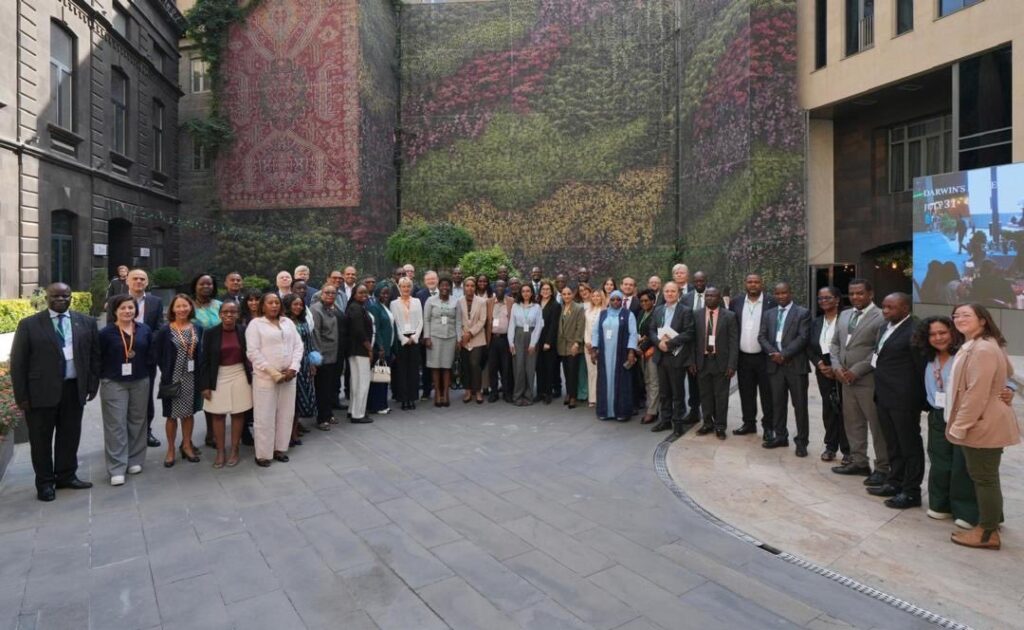
She stressed that women, young people, persons with disabilities and indigenous communities should be included in conservation planning and implementation, arguing that inclusive participation was essential to achieving lasting environmental and social benefits.
According to Ninsiima, communities are not merely beneficiaries of environmental programmes but also key implementers of climate change resolutions. She highlighted the importance of empowering local populations to translate environmental commitments into practical interventions within their respective communities.
The Rubanda legislator further noted that increasing biodiversity at all levels would require the adoption of complementary approaches that combine grassroots participation with national policy direction. She advocated for both bottom-up and top-down strategies to ensure that local experiences informed policymaking while government commitments translated into meaningful action on the ground.
Her remarks come amid growing calls for stronger environmental protection measures, ecosystem restoration and community engagement in tackling climate change. Uganda, like other countries, faces the challenge of balancing development needs with the sustainable management of natural resources and the protection of biodiversity.
Ninsiima, who has also championed environmental initiatives through her work in conservation and community development, has previously supported efforts to promote clean energy in Rubanda District. Her environmental advocacy reflects the importance of linking conservation with improved livelihoods and sustainable development.
She called for continued collaboration among policymakers, conservation stakeholders and communities to strengthen environmental protection efforts ahead of COP17, emphasising that meaningful progress would depend on inclusive participation, coordinated implementation and a shared commitment to restoring degraded ecosystems.